
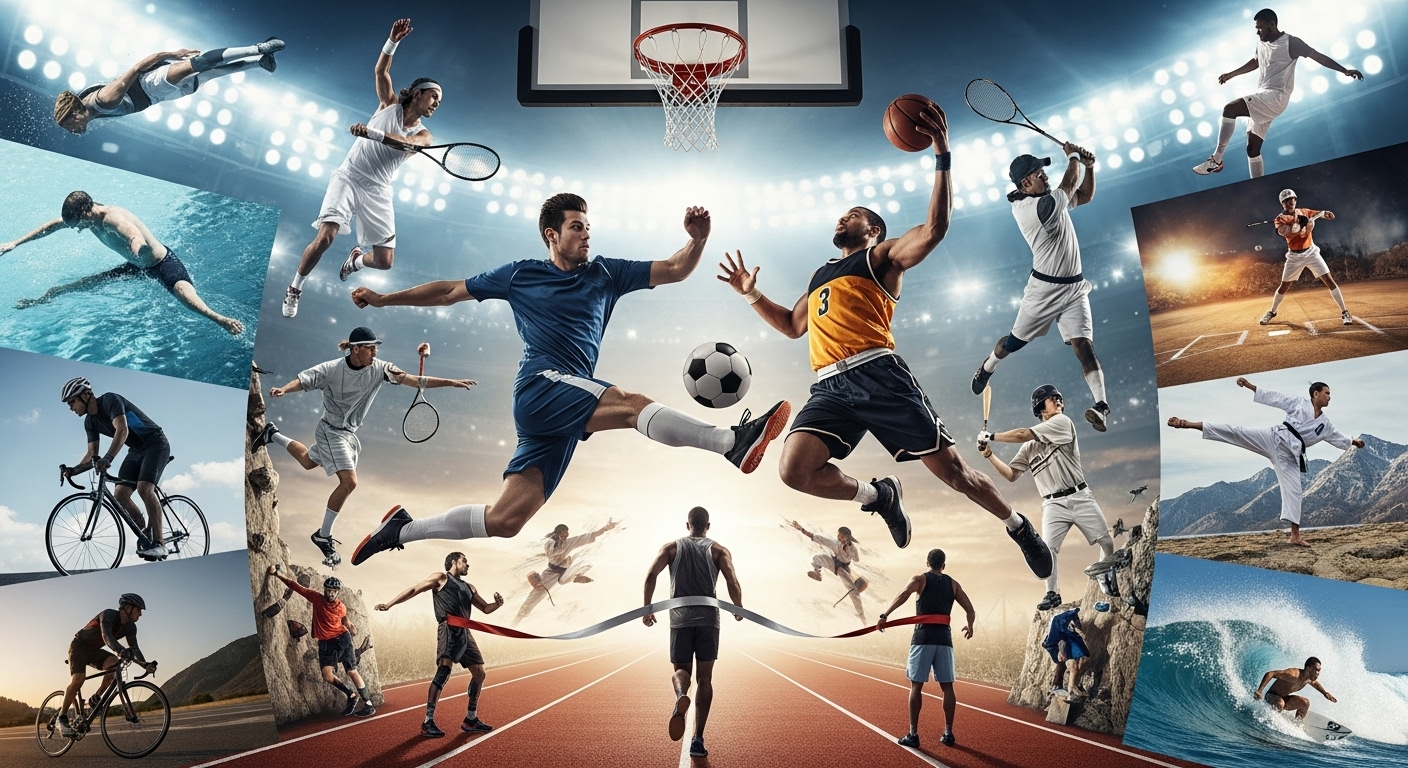
Sports have always been an integral part of human civilization. From ancient times when people engaged in physical contests for survival or celebration, to modern times where professional athletes inspire millions worldwide, sports represent much more than just physical activity. They embody dedication, teamwork, discipline, and the pursuit of excellence. In this blog, we will explore the multifaceted world of sports, its impact on society, the evolution of various games, and the significance of sports in personal and communal life.
The Essence of Sports
At its core, sport is about movement, challenge, and competition. It can be as simple as a game of running or jumping or as complex as a multi-layered team strategy in football or cricket. Sports challenge the human body and mind, requiring physical strength, endurance, agility, and tactical intelligence. Beyond physical benefits, sports teach valuable life lessons, including perseverance, resilience, leadership, and teamwork.
Sports also serve as a universal language, bridging cultural and social divides. Whether played in small villages or large cities, sports bring people together, creating communities and shared experiences. Fans and athletes alike develop deep emotional connections with their favorite teams or sports personalities, fostering unity and passion that transcends borders.
Ancient Origins of Sports
The history of sports dates back thousands of years. Ancient civilizations used sports not only for entertainment but also for physical training and spiritual expression. In ancient Greece, the Olympic Games celebrated human physical excellence and honored the gods. Athletes competed in running, wrestling, discus, and javelin, emphasizing discipline, honor, and the pursuit of personal bests.
Similarly, ancient China had martial arts and archery as part of their cultural traditions, promoting both physical skill and mental focus. In Mesoamerican civilizations, ball games held ceremonial importance, symbolizing themes of life, death, and cosmic order. These early examples illustrate that sports have always been more than just games—they are reflections of societal values and human creativity.
Modern Sports and Global Influence
In the modern era, sports have evolved into professional industries, attracting vast audiences, sponsorships, and global attention. Football, basketball, cricket, tennis, and athletics are no longer confined to their places of origin—they are global phenomena. Events such as the FIFA World Cup, the Olympic Games, and the Super Bowl are watched by millions, uniting people through excitement, pride, and shared enthusiasm.
The media has played a significant role in expanding sports’ reach. Television broadcasts, online streaming, and social media platforms have transformed local matches into international spectacles. Athletes are now household names, influencing fashion, lifestyle, and social movements. The global nature of sports highlights its ability to create cultural exchange and inspire the next generation of athletes.
Physical and Mental Benefits of Sports
Engaging in sports offers extensive physical benefits. Regular participation improves cardiovascular health, builds muscular strength, enhances flexibility, and boosts overall endurance. For children and adolescents, sports encourage healthy growth and prevent lifestyle-related health issues. For adults, sports serve as a tool to maintain fitness, relieve stress, and improve quality of life.
Mental health is equally impacted by sports. Exercise triggers the release of endorphins, promoting feelings of happiness and reducing anxiety or depression. Sports also enhance cognitive functions, including concentration, decision-making, and problem-solving. Competitive sports, in particular, teach mental toughness, resilience in the face of failure, and the ability to set and achieve goals.
Team Sports vs. Individual Sports
Sports can broadly be classified into team sports and individual sports, each with unique characteristics and benefits.
Team Sports
Team sports such as football, basketball, volleyball, and cricket require collaboration and coordination. Athletes must communicate effectively, strategize collectively, and support one another to achieve success. The dynamics of team sports teach essential social skills, such as empathy, leadership, and conflict resolution. Team victories often instill a sense of shared pride and accomplishment, strengthening bonds among players and fans alike.
Individual Sports
Individual sports, including tennis, swimming, athletics, and gymnastics, emphasize personal accountability and self-motivation. Success or failure depends largely on the athlete’s effort, discipline, and perseverance. Individual sports cultivate self-confidence, personal discipline, and the ability to thrive under pressure. The journey of an individual athlete is often a powerful narrative of dedication, struggle, and triumph, inspiring others to pursue their passions.
Iconic Sports Figures and Their Legacy
Sports heroes leave an indelible mark on history through their achievements and character. Legends like Muhammad Ali in boxing, Serena Williams in tennis, Pelé in football, and Michael Jordan in basketball not only dominated their fields but also became symbols of inspiration, resilience, and cultural impact. Their stories resonate beyond victories and records, emphasizing determination, ethical conduct, and the power of dreams.
The influence of athletes extends to social causes and activism. Many sports figures use their platforms to address societal issues, promote equality, and encourage positive change. In doing so, they highlight how sports can transcend the playing field to impact communities and nations.
Evolution of Popular Sports
Sports continually evolve, adapting to cultural trends, technological advancements, and audience preferences. Football, for example, has seen tactical innovations, advanced training techniques, and the introduction of video assistant referees to ensure fairness. Cricket has transformed with shorter formats like T20, attracting younger audiences and increasing global viewership.
Technology has also revolutionized sports training and performance analysis. Wearable devices, motion sensors, and data analytics help athletes monitor physical performance, optimize training routines, and prevent injuries. Virtual reality and augmented reality are creating new ways for fans to experience sports, offering immersive engagement with live matches and simulations.
The Role of Sports in Education
Sports play a crucial role in education, shaping well-rounded individuals. Schools and universities encourage students to participate in sports to develop teamwork, discipline, and leadership. Competitive school and college-level sports foster camaraderie and healthy rivalry, teaching students how to handle both success and failure.
Scholarships and professional pathways in sports provide opportunities for talented individuals to pursue careers in athletics. Moreover, educational institutions increasingly recognize the importance of sports in promoting physical fitness, mental well-being, and social development among students.
Sports and Cultural Identity
Sports often reflect and shape cultural identity. Different regions take pride in their traditional games, reflecting heritage and local customs. In Japan, sumo wrestling symbolizes discipline, ritual, and honor. In India, cricket unites a diverse population, becoming a shared passion across social and cultural boundaries. In Brazil, football is more than a sport; it is an expression of national pride and creativity.
Globalization has allowed cultural exchange through sports, with fans and athletes embracing games from other countries. This cross-cultural interaction promotes understanding, tolerance, and shared enthusiasm for human achievement.
Challenges in Modern Sports
Despite its many benefits, modern sports face several challenges. Commercialization has sometimes prioritized profit over the integrity of the game, leading to ethical dilemmas and controversies. Doping, match-fixing, and corruption threaten fair competition and athlete welfare. Gender inequality in sports remains an issue, with female athletes often receiving less recognition, sponsorship, and media coverage compared to their male counterparts.
Moreover, the pressure to perform at elite levels can affect athletes’ mental health. Anxiety, stress, and burnout are common among professional sportspeople. Addressing these challenges requires responsible governance, ethical standards, and support systems that prioritize the well-being of athletes.
The Future of Sports
The future of sports is both exciting and transformative. Emerging technologies like artificial intelligence, virtual reality, and advanced biomechanics will continue to reshape training, fan engagement, and game strategies. Esports has emerged as a rapidly growing sector, combining competitive gaming with digital innovation, attracting global audiences, and creating new career pathways.
Environmental sustainability is becoming a focus in sports management. Green stadiums, eco-friendly events, and sustainable practices aim to minimize the ecological footprint of sports activities, ensuring that future generations can enjoy sports without compromising the planet’s health.
Sports will continue to inspire, unite, and challenge people worldwide. They remain a testament to human potential, creativity, and resilience. By embracing the values of fair play, dedication, and teamwork, sports foster personal growth, societal connection, and global understanding.
Conclusion
Sports are much more than physical contests; they are a reflection of human ambition, spirit, and culture. From ancient civilizations to modern arenas, sports have shaped societies, inspired individuals, and created lasting legacies. Whether enjoyed as a player or a spectator, sports have the power to unite communities, teach valuable life lessons, and promote health and well-being.
In the fast-paced modern world, sports remind us of the importance of discipline, collaboration, and perseverance. They celebrate human achievement and the joy of participation. As sports continue to evolve and expand across borders, their significance remains timeless—bringing people together, fostering excellence, and celebrating the extraordinary potential of the human spirit.