
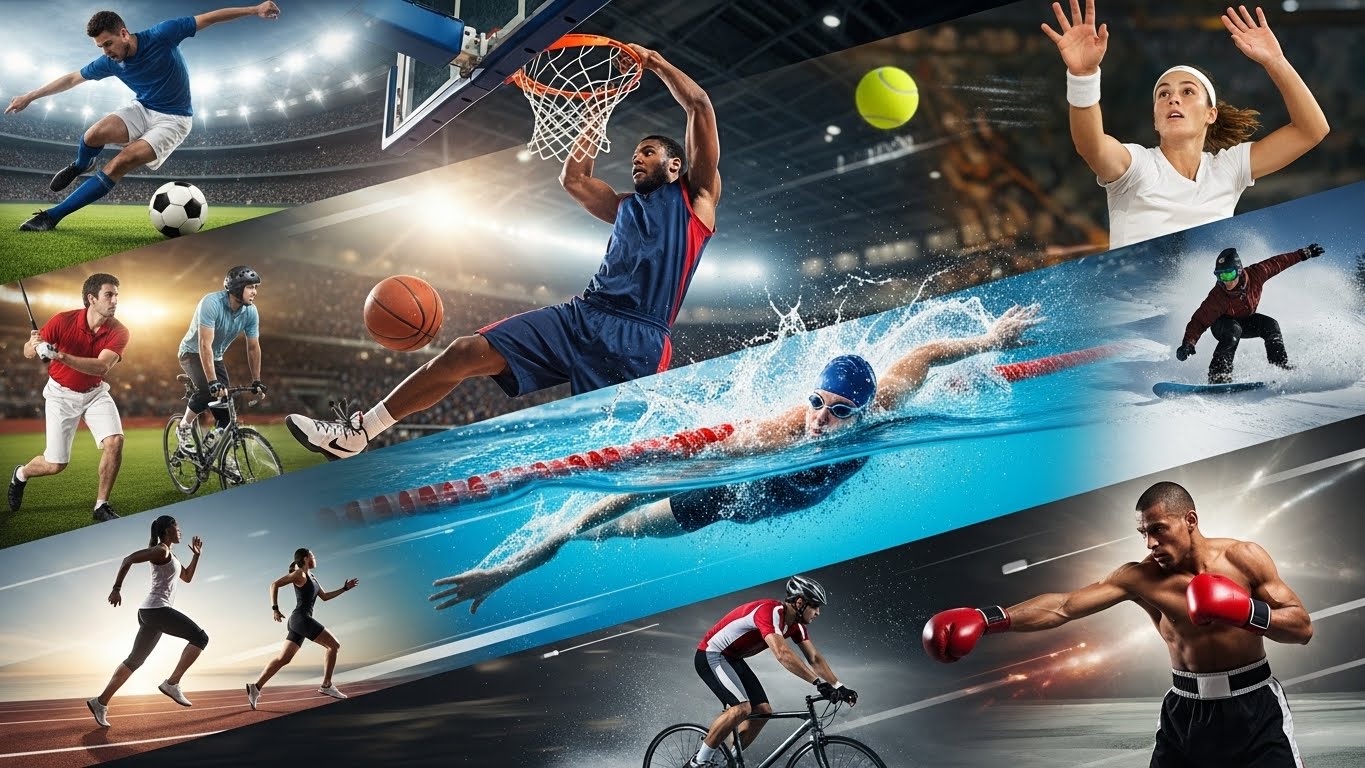
Sports are more than just games played on fields, courts, or tracks. They are a reflection of human culture, determination, and resilience. Across the globe, sports inspire passion, teach life skills, and unite people in ways that few other activities can. From local neighborhood matches to international tournaments, sports have the power to influence personal growth, social connections, and even global movements. In this blog, we will explore the multifaceted world of sports and how they continue to shape individuals and societies today.
The History of Sports
Sports have been a part of human life for thousands of years. Ancient civilizations used athletic contests for celebration, ritual, and preparation for war. The Greeks organized the first Olympic Games as a way to honor their gods while testing human strength, speed, and endurance. Similarly, civilizations in Egypt, China, and Mesoamerica developed traditional games that reflected their culture and values.
Over time, sports evolved into organized competitions with formal rules, teams, and leagues. This evolution shows that the desire to compete, to push limits, and to celebrate human achievement has always been central to human societies. Today, sports carry this legacy into a global context, connecting people across borders.
Sports as a Universal Language
One of the most remarkable aspects of sports is their universality. Regardless of language, culture, or geography, people understand and connect through sports. A football match in South America evokes the same intensity as one in Europe, and cricket matches in India or Australia inspire national pride.
Sports provide a platform for unity. Fans from different backgrounds cheer together, experience joy collectively, and feel the thrill of victory or heartbreak of defeat. This shared experience fosters empathy and creates bonds between people who might never meet outside the arena of sport.
The Role of Sports in Personal Development
Participating in sports goes far beyond physical activity. Sports teach discipline, resilience, and the value of consistent effort. Athletes learn to set goals, work hard, and manage both success and failure.
Young people who engage in sports develop social skills and emotional intelligence. They learn teamwork, leadership, and conflict resolution. Sports also help individuals discover their strengths and passions, building confidence and self-esteem that extend beyond the playing field.
Physical Benefits of Sports
The physical advantages of sports are significant. Regular participation improves cardiovascular health, strengthens muscles, enhances flexibility, and boosts coordination. Activities like running, swimming, and cycling improve endurance, while sports like gymnastics and martial arts enhance agility and balance.
Sports also encourage healthy lifestyles. Athletes are more likely to maintain proper nutrition and avoid harmful habits. Participation in sports reduces the risk of chronic illnesses, helps control weight, and contributes to overall longevity. By promoting regular movement, sports play a vital role in maintaining physical well-being.
Mental Health and Sports
Sports are not only beneficial for the body but also for the mind. Physical activity stimulates the release of endorphins, which help reduce stress, anxiety, and depression. Team sports provide social interaction, creating a sense of belonging that supports emotional health.
Athletes learn how to handle pressure, stay focused under challenging circumstances, and recover from setbacks. These mental skills, developed through sports, are transferable to many areas of life, including academics, careers, and personal relationships.
Sports as a Cultural Force
Sports are deeply embedded in culture and society. They reflect traditions, values, and social norms. National teams and athletes often become symbols of pride, inspiring unity and patriotism. Historic victories, iconic performances, and memorable events become part of cultural heritage, remembered and celebrated across generations.
Sports also influence fashion, entertainment, and media. Athlete endorsements, sports films, and documentaries celebrate human achievement and inspire millions. Through sports, societies share stories of courage, determination, and excellence, fostering a sense of identity and belonging.
The Economic Impact of Sports
The sports industry has grown into a major economic force. Professional leagues, tournaments, merchandise sales, sponsorships, and broadcasting rights generate billions of dollars worldwide. Major events, such as the Olympics, World Cup, and other international competitions, drive tourism, infrastructure development, and local business growth.
Athletes also contribute economically through endorsements and personal brands. Sports create employment in coaching, management, marketing, and technology, demonstrating their significance beyond the playing field. The financial ecosystem around sports supports communities and stimulates broader economic activity.
Technological Advancements in Sports
Technology has transformed how sports are played, trained for, and viewed. Modern equipment enhances performance and reduces injuries. Wearable devices track biometrics like heart rate, calories, and movement patterns, helping athletes optimize training and recovery.
Video replay systems and officiating technology ensure fair play and accuracy in competitions. Broadcasting innovations, including high-definition streaming and interactive platforms, allow fans worldwide to experience events in unprecedented ways. Technology continues to enhance both athletic performance and fan engagement.
Inclusivity and Diversity in Sports
Modern sports prioritize inclusivity and diversity. Women, athletes with disabilities, and underrepresented communities now have greater access to competitive opportunities. Adaptive sports, mixed-gender events, and community programs encourage participation for all, breaking down traditional barriers.
Diverse representation in sports inspires future generations and challenges societal stereotypes. It demonstrates that success is determined by skill, dedication, and passion rather than background. Inclusivity makes sports more competitive, dynamic, and socially meaningful.
Sports as a Catalyst for Social Change
Sports have historically been powerful instruments for social progress. Athletes leverage their visibility to advocate for equality, raise awareness of social issues, and challenge injustices. Movements against racial discrimination, gender inequality, and environmental concerns have often been amplified through sports.
Major sporting events foster international cooperation, dialogue, and understanding. By uniting people from different nations and cultures, sports promote empathy, collaboration, and positive social change on a global scale.
The Emotional Power of Sports
The emotional impact of sports is profound. The excitement of victory, the disappointment of defeat, and the drama of competition evoke powerful feelings in both players and fans. These emotions create deep connections and memorable experiences.
Sports teach resilience, perseverance, and the joy of effort. Fans and athletes alike experience personal growth, shared memories, and a sense of purpose through engagement with sports. This emotional connection is what makes sports a lasting and meaningful part of human life.
The Future of Sports
The future of sports promises innovation and expanded opportunities. Emerging technologies, including virtual reality and artificial intelligence, are creating new ways to experience and participate in sports. Esports are gaining global recognition, offering competitive opportunities beyond traditional physical games.
Sustainability will play an increasing role in sports, with eco-friendly practices shaping stadiums, events, and athlete management. Sports will continue to evolve, inspiring athletes and fans while promoting health, unity, and cultural exchange worldwide.
Conclusion: The Lasting Legacy of Sports
Sports are far more than a pastime; they are a reflection of human ambition, creativity, and community. They shape individuals, strengthen communities, drive economic growth, and inspire social change. From casual participation to professional competition, sports leave a lasting impact on lives and societies.
In a world that is constantly changing, sports provide stability, connection, and inspiration. They remind us of the power of dedication, teamwork, and resilience. Above all, sports celebrate the human spirit, offering experiences that motivate, unite, and challenge generations to reach higher, push further, and achieve more.