
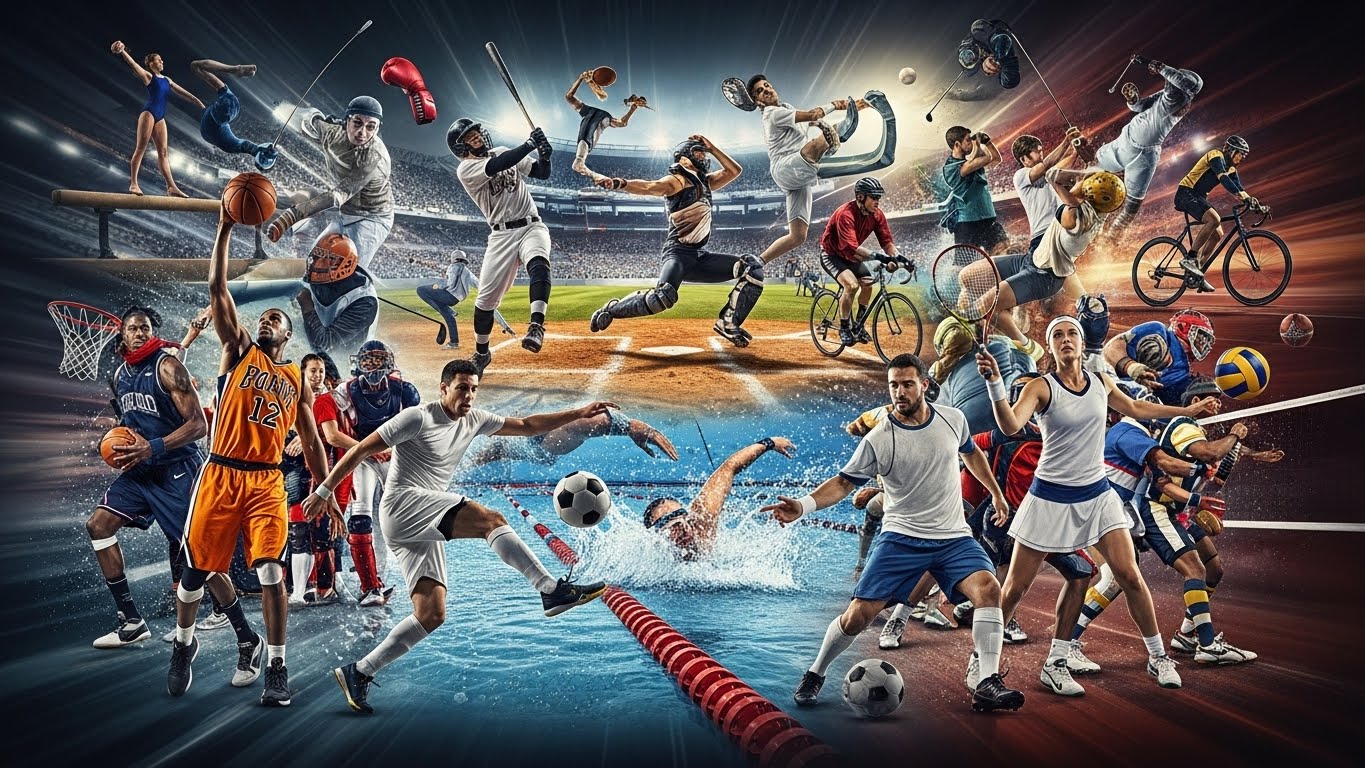
Sports have been an integral part of human culture for centuries, transcending borders, languages, and even political divides. From the ancient Olympic Games to the modern-day thrill of global sporting events, sports bring together diverse populations with a shared passion for competition, teamwork, and achievement. But sports are not just about the adrenaline rush or the pursuit of victory; they embody important values such as perseverance, unity, and personal growth. In this blog post, we will explore the far-reaching impact of sports on individuals, communities, and the world at large.
The Global Language of Sports: A Universal Connection
One of the most powerful aspects of sports is its universal appeal. No matter where you are in the world, sports create a common ground that unites people, often regardless of their cultural backgrounds or nationalities. Whether it’s the World Cup in soccer, the Olympics, or the Super Bowl, these global sporting events bring people from all walks of life together, all rallying behind their favorite teams or athletes.
Unlike other forms of entertainment or communication, sports have a way of bridging differences. A football match between two countries with very different political systems, such as North and South Korea, can become a powerful symbol of peace and diplomacy. The shared experience of cheering for a team, watching an exciting play, or celebrating a victory connects people in ways that words or borders cannot.
The language of sports is simple and universally understood—victory, defeat, skill, and effort. These concepts transcend language barriers, cultural norms, and even economic divides. A soccer fan in Rio de Janeiro can high-five a supporter in London over a well-timed goal, and both will understand the exact same emotion at that moment. In this way, sports help foster global connections and solidarity.
Sports as a Catalyst for Personal Growth and Character Development
On a personal level, engaging in sports can be a transformative experience. Whether you’re a professional athlete or someone simply participating in a weekend match, sports offer numerous opportunities for self-improvement and character development. The values learned through sports—such as teamwork, discipline, and resilience—play a pivotal role in shaping individuals both on and off the field.
1. Teamwork and Collaboration
One of the most valuable lessons in sports is the importance of teamwork. In team sports like basketball, soccer, and rugby, success depends not only on individual talent but also on the ability to work cohesively with others. Athletes learn to communicate effectively, trust their teammates, and put the group’s success above personal glory. This sense of unity and collaboration extends into everyday life, where teamwork is essential in both professional and personal contexts.
2. Discipline and Consistency
In any sport, success requires a high level of discipline. Athletes must adhere to strict training regimens, follow nutrition plans, and maintain mental focus. The demands of training instill the values of consistency and hard work. These traits translate well beyond the sports arena, making athletes more resilient and determined in other areas of life, whether in academics, business, or personal development.
3. Resilience and Mental Toughness
Sports teach us how to handle both victory and defeat. Every athlete knows the sting of failure—whether it’s losing an important match, missing a game-winning shot, or failing to meet personal goals. However, the ability to bounce back from setbacks and continue pushing forward is one of the most valuable skills gained through sports. Resilience, mental toughness, and the will to keep going despite adversity are critical components of an athlete’s journey, and these qualities can be applied to overcome challenges in life.
The Economic Impact of Sports: More Than Just Games
Beyond the personal and cultural impact, sports also have a significant economic influence on both local and global scales. The sports industry is a multi-billion-dollar enterprise that generates revenue in a variety of ways—from ticket sales and broadcasting rights to merchandise and sponsorship deals.
1. Job Creation and Local Economy Boosts
Major sporting events such as the FIFA World Cup, the Olympic Games, and the Super Bowl generate millions in revenue and create thousands of jobs. From the construction of stadiums and event venues to hospitality, marketing, and media coverage, sports events stimulate local economies by providing employment and boosting tourism. Local businesses, from restaurants to transportation services, benefit from the influx of visitors and fans, often leading to long-term economic growth.
2. Sponsorships and Brand Partnerships
Sponsorships are a crucial element of the sports industry. Major brands and corporations invest heavily in sponsoring athletes, teams, and events to gain visibility and connect with a global audience. The visibility of these sponsorships on jerseys, advertisements, and even stadiums contributes to the significant revenue generated in the sports sector. These partnerships can benefit both the sports organizations and the brands involved, creating a win-win scenario where both sides gain substantial returns on their investments.
3. Global Sports Media and Broadcasting
Television rights and media coverage are essential components of the sports economy. The broadcasting industry capitalizes on sports programming, drawing in millions of viewers who tune in for live matches, commentary, and highlights. In turn, advertisers pay top dollar to showcase their products during commercial breaks, knowing they have the attention of a vast audience. With the rise of digital platforms, streaming services are also capturing the attention of sports fans, further expanding the reach of the sports industry.
Sports and Health: A Natural Partnership
While sports are often seen as a form of entertainment or competition, they also play a crucial role in promoting physical and mental health. Engaging in regular physical activity through sports improves cardiovascular health, builds muscle strength, and enhances flexibility. These health benefits go beyond the professional athlete, as anyone who participates in sports, even casually, can experience improvements in their overall well-being.
1. Physical Fitness and Wellness
Participating in sports promotes physical activity and helps maintain a healthy lifestyle. Regular exercise is known to reduce the risk of chronic diseases such as heart disease, diabetes, and obesity. Sports also improve cardiovascular health, enhance flexibility, and build strength and endurance. For individuals of all ages, sports provide an enjoyable and effective way to stay fit and healthy.
2. Mental Health Benefits
Sports don’t just enhance physical health—they have a profound impact on mental well-being. The social interaction, teamwork, and sense of achievement associated with sports help reduce stress, anxiety, and depression. Physical activity has been shown to release endorphins, the “feel-good” hormones, which can improve mood and boost self-esteem. In fact, sports have become an essential part of mental health therapy for many people, offering a positive outlet for energy and emotions.
3. Social Inclusion Through Sports
Sports have the power to break down social barriers and foster inclusion. In communities where there may be divisions along ethnic, racial, or socioeconomic lines, sports can act as a unifier, bringing people together for a common cause. Organizations like the Special Olympics and initiatives aimed at promoting women’s participation in sports have expanded access to athletic opportunities for marginalized groups, helping to break down barriers and create more equitable opportunities.
The Social and Cultural Significance of Sports
Sports often reflect the broader cultural and societal values of a community or nation. They provide a platform for national pride, cultural expression, and unity. International sporting events like the Olympics or the World Cup not only showcase the athletic prowess of competing nations but also serve as a celebration of diversity, as athletes from around the world come together to compete in a spirit of respect and camaraderie.
In addition to serving as a source of national pride, sports also have a cultural significance that goes beyond the field. For example, in countries like Brazil, where football (soccer) is more than just a game, sports become a central aspect of national identity. The energy and emotion surrounding major sporting events are reflective of a nation’s values, traditions, and aspirations.
The Future of Sports: Innovation, Inclusivity, and Sustainability
As we look ahead, the future of sports promises to be shaped by innovation, inclusivity, and sustainability. Technology is playing an increasingly important role in sports, from advancements in sports equipment and training methods to the use of data analytics for performance optimization. Virtual reality (VR) and augmented reality (AR) are changing the way fans experience sports, offering more immersive and interactive viewing experiences.
Inclusivity is another important aspect of the future of sports. The push for gender equality in sports continues to gain momentum, with more opportunities being created for female athletes in traditionally male-dominated fields. Additionally, disabled athletes are receiving greater recognition, as adaptive sports gain popularity and visibility.
Finally, sustainability will play a crucial role in the development of future sporting events and facilities. With growing concerns about the environmental impact of large-scale events, the sports industry is taking steps toward more eco-friendly practices. From sustainable stadiums to reducing waste and energy consumption, the future of sports will require a commitment to environmental responsibility.
Conclusion: The Enduring Power of Sports
Sports have the unique ability to inspire, unite, and transform. Whether it’s through fostering personal growth, enhancing physical health, or creating global connections, sports hold a special place in human culture. They are not just games or competitions—they are powerful forces that shape our identities, build communities, and reflect the values of societies around the world. As we move into the future, the enduring power of sports will continue to inspire generations to come, promoting unity, perseverance, and a sense of shared purpose that transcends borders and cultures.