
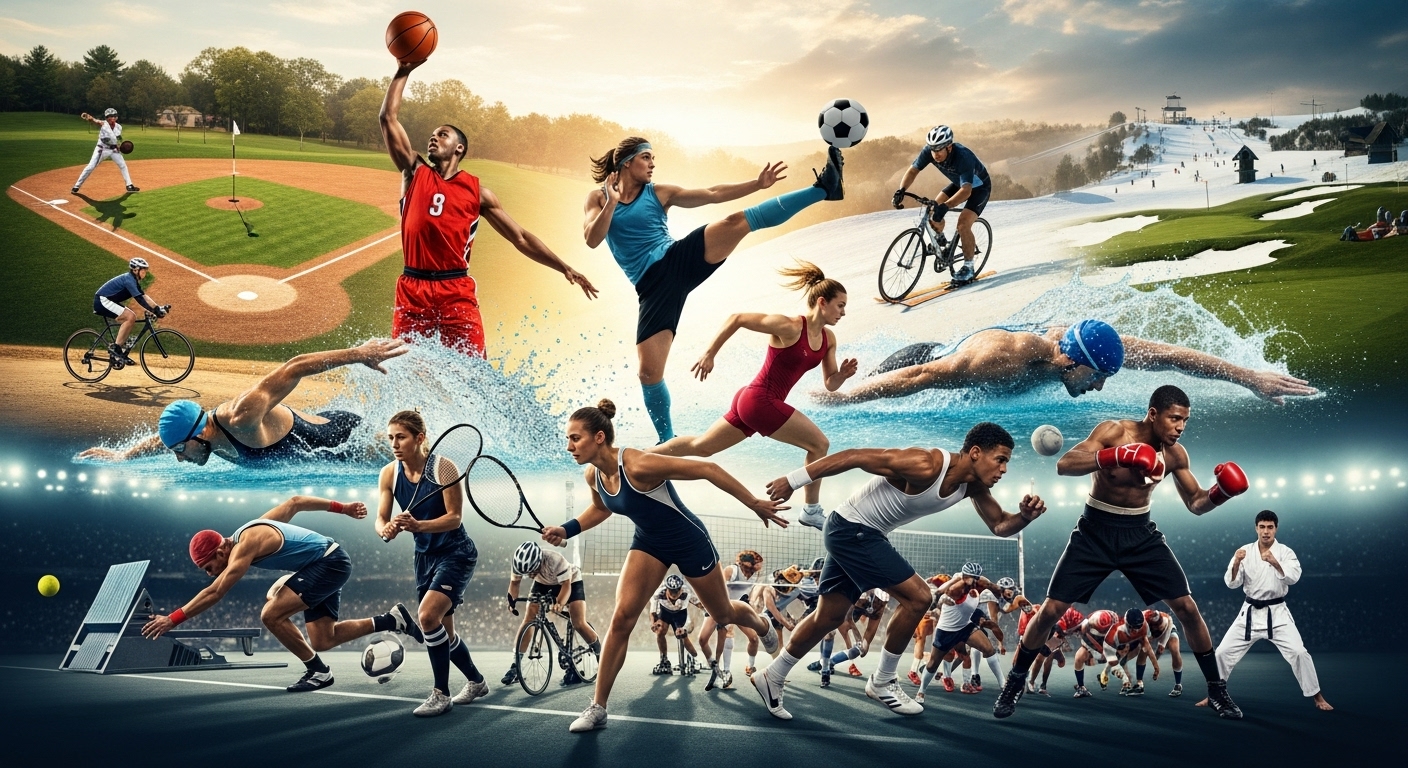
Sports have always been a universal language, transcending cultural, linguistic, and geographical barriers to bring people together. They unite us in a way that few other human endeavors can, offering a shared experience of triumph, defeat, and passion. While many people focus on the athleticism, competition, and excitement associated with sports, there is much more to the story. In this post, we will explore how sports shape societies, influence cultures, and impact individual lives in ways that go far beyond the game itself.
The Cultural Influence of Sports: A Global Language
The power of sports to connect people globally is unrivaled. From the World Cup to the Olympics, sporting events attract audiences from all corners of the Earth, regardless of nationality, background, or status. Sports often represent the heartbeat of a nation, offering a collective sense of identity and pride. For example, the national football teams in Brazil or Germany are more than just athletic squads—they are symbols of cultural pride and unity.
In many cultures, sports have become more than a pastime; they are integral to the social fabric. Take, for instance, cricket in India, where the sport is an obsession that extends beyond the pitch. It’s a way of life, a cultural phenomenon that has been passed down through generations. Similarly, basketball holds a unique place in American culture, where the NBA is not only a showcase of athletic skill but also a platform for social and political expression.
Sports create cultural touchstones that help define societies. The global influence of sports figures—whether it’s Serena Williams, Lionel Messi, or Michael Jordan—demonstrates how athletes can shape popular culture. They are not just competitors; they are icons who inspire millions and become symbols of hope and resilience for their fans.
The Psychological and Emotional Benefits of Sports
While the physical benefits of sports are widely recognized—improved health, strength, and endurance—the psychological and emotional advantages are equally profound. Sports provide a unique avenue for individuals to challenge their mental and emotional limits, fostering qualities like determination, resilience, and focus.
For athletes, the act of pushing the body beyond its perceived limits builds both mental and physical toughness. The discipline required to train consistently, overcome setbacks, and perform under pressure creates a mindset of growth and perseverance. This is especially true in elite-level sports, where the mental game is just as critical as the physical one.
On a broader scale, sports can have an incredible impact on mental health. Engaging in physical activity, even at an amateur level, has been shown to reduce stress, combat anxiety, and alleviate symptoms of depression. The social aspect of sports—whether it’s playing in a recreational league or simply watching a game with friends—can combat loneliness and provide a sense of community and belonging.
Moreover, sports offer an emotional outlet. The highs of winning and the lows of defeat help individuals develop emotional resilience. For many fans, the connection to their teams or athletes allows them to experience joy, sorrow, excitement, and disappointment, all while feeling a part of something much bigger than themselves.
The Economic Impact of Sports: A Multi-Billion Dollar Industry
The economic influence of sports extends far beyond the salaries of athletes and the revenue generated by ticket sales. The global sports industry is a multi-billion dollar ecosystem that involves everything from merchandise and broadcasting rights to sponsorships, tourism, and advertising.
Major sporting events, such as the Super Bowl or the FIFA World Cup, bring in billions of dollars for host cities and countries. These events boost local economies through tourism, hospitality, and infrastructure development. In fact, some cities bid for the opportunity to host the Olympics or the World Cup with the hopes that the event will leave a lasting economic impact, creating jobs and revitalizing urban areas.
Sports also provide significant employment opportunities. From the athletes themselves to coaches, agents, analysts, broadcasters, and event organizers, the sports industry is a massive employer. Many companies, including those in the food, apparel, and tech industries, capitalize on the marketing potential of sports by sponsoring athletes or sporting events. As a result, companies engage with a global audience, which can lead to increased brand visibility and market growth.
However, the economic side of sports is not without controversy. Issues like the vast income disparity between athletes in different sports, the commercialization of grassroots sports, and concerns about the sustainability of mega-events continue to be debated. Still, there’s no denying that the economic footprint of sports is vast, with a far-reaching influence on global economies.
The Role of Sports in Education and Youth Development
Sports play a vital role in the development of young people, providing not only a structured physical activity but also a valuable learning experience. For many children and adolescents, sports offer a safe and engaging environment in which they can learn important life skills like teamwork, leadership, time management, and discipline.
In schools, sports programs serve as a tool for promoting physical health, while also fostering a sense of community and belonging among students. Being part of a team teaches young athletes how to collaborate toward a common goal, even when personal interests may differ. It also instills a sense of responsibility and accountability, as athletes must show up for practice, take care of their bodies, and support their teammates.
Beyond the schoolyard, youth sports provide an opportunity for personal growth and skill development. Sports are an avenue through which young people can build self-confidence and self-esteem, particularly when they overcome challenges and achieve success. Additionally, sports often act as a social equalizer, providing an opportunity for kids from different socio-economic backgrounds to come together and form friendships.
Participation in sports is also linked to improved academic performance. Studies have shown that students who engage in regular physical activity often perform better in school, thanks to the discipline and focus learned on the field. In fact, many professional athletes credit their success to the lessons they learned through sports during their formative years.
Sports as a Catalyst for Social Change
Throughout history, athletes have used their platforms to advocate for social change, challenging systemic injustices and addressing inequality. From Muhammad Ali’s stand against the Vietnam War to Colin Kaepernick’s protests against racial injustice, sports have often been a stage for important conversations about politics, race, and human rights.
The role of athletes in driving social change became especially evident during the Civil Rights Movement in the United States. Legendary figures like Jackie Robinson, who broke the color barrier in Major League Baseball, and Billie Jean King, who fought for gender equality in tennis, were instrumental in pushing for social progress through their actions both on and off the field.
In recent years, athletes have continued to speak out on issues such as racial inequality, climate change, gender equity, and LGBTQ+ rights. The global nature of modern sports, particularly through social media, allows athletes to amplify their voices and connect with audiences in ways that were once impossible. The hashtag #BlackLivesMatter, for example, became a rallying cry not only for communities fighting against racial injustice but also for athletes worldwide who used their visibility to demand change.
In addition to individual activism, sports organizations themselves are beginning to adopt policies that promote diversity, equity, and inclusion. Professional leagues, such as the NBA, NFL, and FIFA, are working to address gender and racial disparities within their organizations and to ensure that all athletes, regardless of background, feel represented and supported.
The Future of Sports: Technology, Innovation, and the Next Generation
As we look toward the future, the role of technology in sports will continue to grow. Innovations in data analytics, artificial intelligence, and virtual reality are already beginning to transform how athletes train, how teams strategize, and how fans experience the game.
In training, advanced analytics are helping coaches assess player performance in real-time, offering insights that were once impossible to gather. Wearable technologies, such as fitness trackers and smart apparel, monitor an athlete’s biometrics, allowing coaches and athletes to fine-tune their physical performance.
Fan engagement is also changing, with virtual reality offering immersive experiences that allow fans to watch games as though they were sitting courtside, or even participate in simulations of their favorite sports. Augmented reality could also enhance the viewing experience by overlaying real-time statistics and interactive features, bringing fans closer to the action.
E-sports is another area of growth in the sports world. Competitive video gaming has exploded in popularity, drawing millions of viewers and offering substantial career opportunities for professional gamers. This rise of digital competition reflects broader cultural shifts, where traditional forms of sports are blending with new, technology-driven experiences.
At the heart of it all, sports will continue to be a platform for human connection and personal growth. Whether through physical competition, mental resilience, or global unity, sports offer something for everyone, and as technology and society continue to evolve, the unifying power of sports will remain an integral part of the human experience.
Conclusion: The Enduring Legacy of Sports
Sports are much more than games. They are a reflection of who we are as individuals and as a society. They inspire us to be better, teach us lessons about perseverance and discipline, and create bonds between people from all walks of life. In a world often divided by political, social, and cultural differences, sports remind us that we are all part of the same global community.
From the cultural impact of national sports teams to the personal growth of athletes, sports offer a unique window into human potential. They have the power to shape not only our physical abilities but also our emotional resilience, our values, and our collective identity.
As we continue to advance technologically and socially, the world of sports will evolve, but its role as a unifier, an educator, and a force for good will remain as strong as ever. The heartbeat of the world, pulsing through every game, every player, and every fan, reminds us that in sports, as in life, we are all in this together.