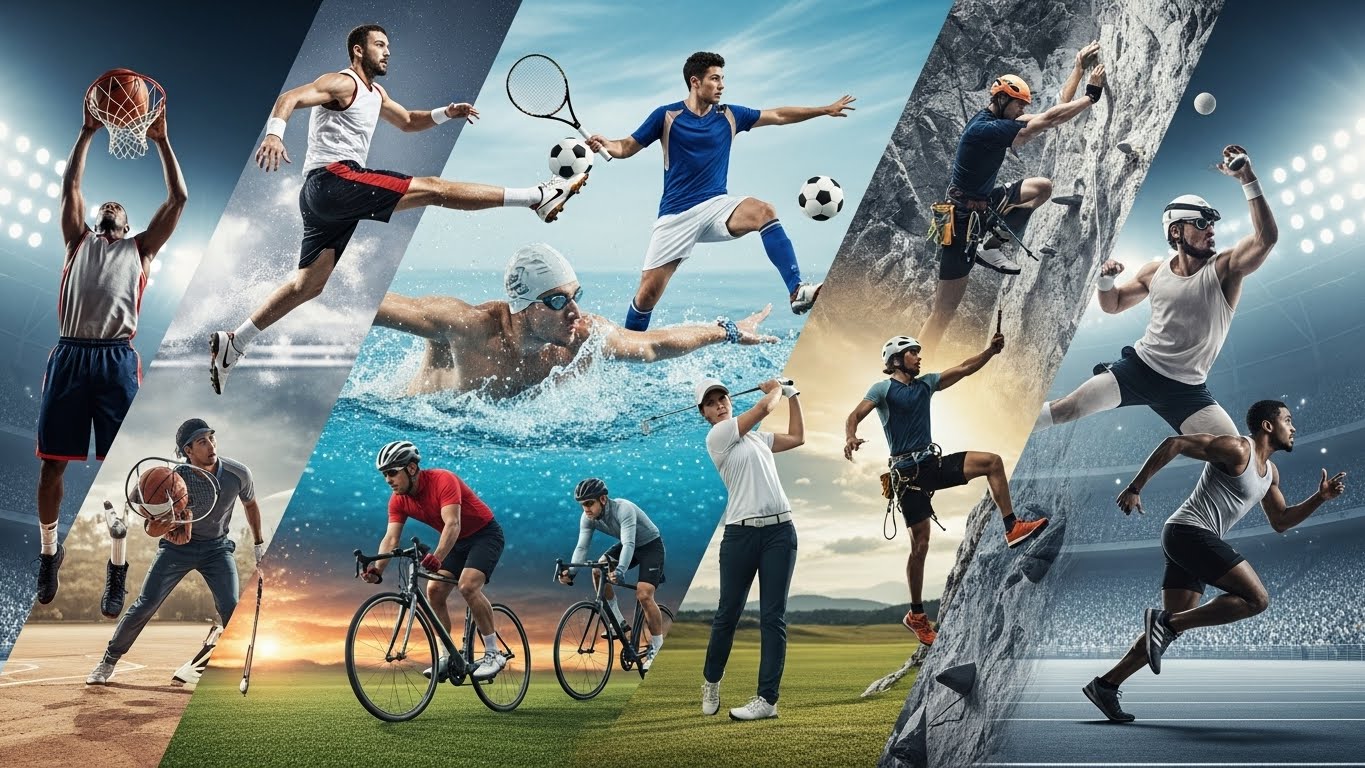

Introduction: The Universal Language of Sports
Sports have always been more than just physical activity. They are a universal language that transcends borders, cultures, and generations. From ancient Olympic contests to modern-day global tournaments, sports have been a reflection of human passion, discipline, and creativity. They inspire individuals to push beyond limits, bring communities together, and shape cultural identities. In this blog, we explore the multifaceted world of sports, their impact on individuals and societies, and why they remain an integral part of human life.
The Essence of Sports: More Than Physical Activity
At its core, sports involve physical exertion and skill, but their significance goes far beyond exercise. Sports teach valuable life lessons such as perseverance, teamwork, leadership, and resilience. Engaging in sports builds mental strength, enhances focus, and fosters a sense of responsibility. Whether it is a casual game of soccer in a neighborhood park or professional athletics on a global stage, sports provide an avenue for personal growth, social interaction, and mental well-being.
Historical Evolution of Sports
Sports have been an essential part of human civilization for thousands of years. Ancient societies used athletic contests for both entertainment and ritual purposes. The first recorded Olympic Games in Greece were held to honor the gods, showcasing the connection between competition and cultural identity. Over the centuries, sports evolved alongside society, incorporating new rules, techniques, and disciplines. The modern era brought professional leagues, international tournaments, and innovations that transformed sports into a global phenomenon.
The Role of Sports in Physical and Mental Health
Participation in sports promotes physical fitness by improving cardiovascular health, muscle strength, flexibility, and coordination. Beyond the body, sports also enhance mental health. Regular physical activity releases endorphins, which help reduce stress and anxiety. Team sports encourage social interaction and emotional support, while individual sports foster discipline and self-motivation. Through structured training and competition, athletes develop resilience, adaptability, and problem-solving skills, which are valuable both on and off the field.
Sports as a Catalyst for Social Change
Sports have historically played a vital role in promoting social change and equality. They have been used to break down racial and gender barriers, advocate for inclusivity, and unite people across social divides. Iconic athletes often become symbols of hope and resilience, using their platforms to raise awareness about social issues. Grassroots sports programs also provide opportunities for underprivileged communities, helping to nurture talent and instill confidence in young individuals.
The Economics of Sports
The sports industry is a massive economic force, contributing billions of dollars to global economies. Professional leagues generate revenue through ticket sales, broadcasting rights, sponsorships, and merchandise. Cities hosting major events like the Olympics or World Cup benefit from tourism, infrastructure development, and global exposure. Beyond professional sports, the industry also supports jobs in coaching, sports medicine, marketing, and event management. The economic impact of sports demonstrates how games can influence more than just entertainment—they can drive financial growth and community development.
Popular Sports and Their Global Influence
Different regions of the world have cultivated unique sports cultures. Soccer dominates Europe, Latin America, and Africa, while basketball thrives in North America and parts of Asia. Cricket has a passionate following in South Asia, Australia, and the Caribbean, while rugby, tennis, and athletics attract global audiences. Each sport has its own set of traditions, rivalries, and fan cultures, creating rich social experiences and shared memories for communities. International competitions like the Olympics or World Cup exemplify the global influence of sports, bringing together millions of fans from diverse backgrounds.
The Life of an Athlete: Dedication, Sacrifice, and Passion
Becoming a professional athlete requires more than talent—it demands dedication, discipline, and perseverance. Athletes undergo rigorous training schedules, strict diets, and intense physical conditioning to achieve peak performance. They also face psychological challenges such as handling pressure, managing injuries, and maintaining motivation. Behind every victory is a story of sacrifice, resilience, and relentless pursuit of excellence. These stories inspire not only aspiring athletes but also everyday individuals seeking motivation in their personal and professional lives.
Sportsmanship and Ethics
Fair play and ethical conduct are fundamental aspects of sports. Sportsmanship teaches respect for opponents, humility in victory, and grace in defeat. Ethics in sports extend beyond individual behavior to issues like doping, match-fixing, and corruption. Maintaining integrity ensures the credibility of competition and preserves the values that make sports meaningful. Teaching sportsmanship from a young age instills principles that transcend the game and shape character development.
Technology and Innovation in Sports
Advancements in technology have revolutionized the way sports are played, viewed, and analyzed. High-speed cameras, wearable sensors, and performance-tracking software help athletes optimize their training and prevent injuries. Video replay systems ensure fairness in officiating, while virtual reality and augmented reality create immersive experiences for fans. Social media platforms allow athletes to connect directly with audiences, fostering global fan engagement. Technology has not only enhanced performance but also expanded the reach and enjoyment of sports worldwide.
The Cultural Impact of Sports
Sports are deeply intertwined with culture and identity. They provide a sense of belonging, strengthen community ties, and create shared experiences across generations. Sporting events often become cultural milestones, shaping national pride and collective memory. From local tournaments to international championships, sports offer stories of triumph, perseverance, and unity that resonate far beyond the playing field.
Sports and Education
Incorporating sports into education has multiple benefits. Schools and universities use sports programs to promote physical fitness, teamwork, and leadership skills. Student-athletes learn time management, discipline, and the importance of balancing academics with extracurricular activities. Scholarships and collegiate sports programs offer pathways for talented individuals to pursue education while excelling in athletics. Sports in education cultivate holistic development, preparing students for success in various aspects of life.
The Future of Sports: Emerging Trends
The future of sports promises continued innovation, inclusivity, and global reach. Evolving technology will create new ways to play and watch sports, from immersive virtual competitions to real-time analytics enhancing performance. There is growing emphasis on inclusivity, with adaptive sports and initiatives encouraging participation from individuals of all abilities. As global connectivity increases, international collaborations and tournaments will continue to strengthen cultural exchange and understanding through sports.
Conclusion: Sports as a Reflection of Humanity
Sports are more than games—they are a mirror reflecting human ambition, creativity, and resilience. They unite communities, foster personal growth, and inspire generations. From the joy of playing to the thrill of watching, sports hold the power to influence lives, shape societies, and transcend borders. In a rapidly changing world, the values and experiences that sports provide remain timeless, reminding us that the pursuit of excellence, camaraderie, and fair play is a universal human endeavor.
This blog captures the essence of sports, emphasizing their profound impact on individuals, communities, and the world at large.