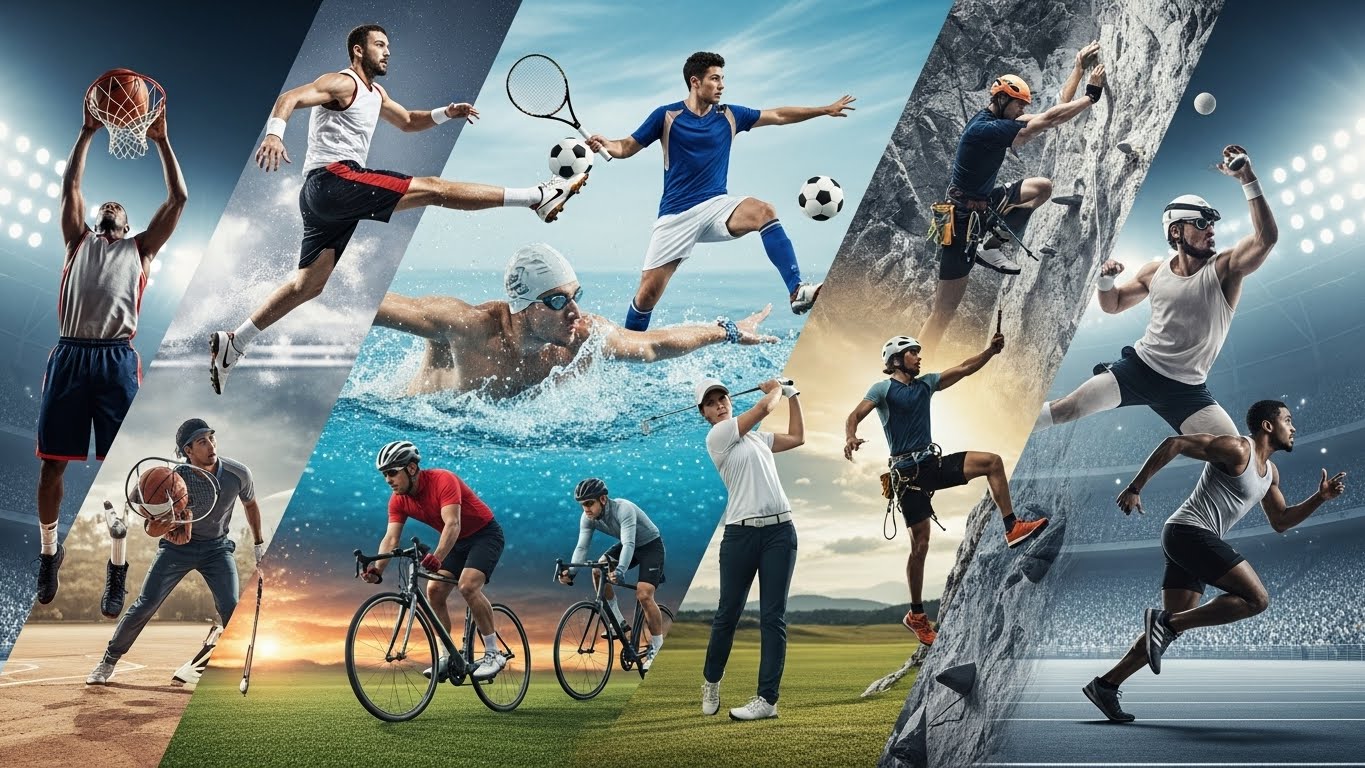

Introduction: More Than Just a Game
Sports have always been more than a contest of physical ability or a chase for trophies. From dusty village fields to glittering international stadiums, sports occupy a powerful place in human society. They influence how we grow, how we connect with others, and how we understand concepts like discipline, fairness, and resilience. While fans often focus on scores, statistics, and star players, the deeper value of sports lies in the lessons they teach and the communities they build. This blog explores sports not just as competition, but as a force that shapes character, culture, and collective identity.
The Universal Language of Sports
One of the most remarkable aspects of sports is their ability to transcend language, nationality, and background. A goal scored, a finish line crossed, or a decisive knockout needs no translation. Across the world, people understand the emotions of victory and defeat in the same way. This shared understanding turns sports into a universal language that connects strangers instantly.
When international tournaments take place, fans from different cultures come together with a common purpose. They may chant in different languages or wear different colors, but the passion is the same. Sports create moments where differences fade, replaced by a sense of belonging to something larger than oneself.
Building Character Through Competition
Participation in sports plays a critical role in character development, especially for young people. Training routines demand discipline, punctuality, and commitment. Athletes quickly learn that talent alone is not enough; consistent effort and perseverance matter more in the long run.
Sports also teach humility. No matter how skilled an athlete is, there is always someone better or a day when performance falls short. Learning to accept defeat gracefully builds emotional strength and maturity. At the same time, victory teaches responsibility, reminding athletes to stay grounded and respectful even at the peak of success.
The Role of Teamwork and Leadership
Team sports, in particular, highlight the importance of collaboration. Success depends not on individual brilliance alone but on coordination, trust, and communication. Players must understand their roles and support one another, even when personal recognition is limited.
Leadership naturally emerges in these environments. Captains and senior players learn to motivate teammates, manage pressure, and make decisions under stress. These leadership qualities often extend beyond the field, shaping confident individuals who can guide others in professional and personal settings.
Sports as a Reflection of Society
Sports often mirror the social and cultural dynamics of the time. Issues such as equality, inclusion, and fair play are frequently highlighted through athletic platforms. Over the years, sports have played a role in challenging stereotypes and breaking barriers related to race, gender, and economic background.
Women’s sports, for example, have grown significantly, challenging outdated perceptions and inspiring new generations of athletes. Similarly, stories of athletes rising from humble beginnings resonate deeply, reinforcing the idea that opportunity and determination can overcome adversity.
Mental Strength and Emotional Resilience
While physical fitness is an obvious benefit of sports, the mental advantages are equally important. Athletes constantly face pressure, whether it is performing in front of a crowd, meeting expectations, or recovering from setbacks. Learning to manage stress, stay focused, and maintain confidence under pressure builds strong mental resilience.
Sports also provide a healthy outlet for emotions. Wins bring joy and motivation, while losses encourage reflection and growth. This emotional balance helps individuals develop coping mechanisms that are valuable in everyday life.
The Economic and Social Impact of Sports
Beyond individual benefits, sports contribute significantly to economies and communities. Major sporting events create jobs, boost local businesses, and attract tourism. Even at the grassroots level, local clubs and leagues foster social interaction and community pride.
Sports facilities often become community hubs where people gather not just to play, but to socialize and support one another. These shared spaces strengthen social bonds and encourage active lifestyles, contributing to overall public health and well-being.
The Influence of Technology in Modern Sports
Modern sports have been transformed by technology. Advanced training methods, performance analytics, and improved equipment have elevated athletic standards. Athletes can now track their progress in detail, reducing injury risks and maximizing potential.
For fans, technology has enhanced the viewing experience. High-quality broadcasts, instant replays, and data-driven insights bring audiences closer to the action. While technology continues to evolve, the core essence of sports remains unchanged: human effort, passion, and competition.
Sportsmanship and Ethical Values
At the heart of sports lies the principle of fair play. Respect for opponents, officials, and rules defines true sportsmanship. Athletes are often seen as role models, and their behavior on and off the field can influence millions.
When sportsmanship is upheld, sports become a powerful tool for teaching ethics and integrity. Moments where athletes help injured opponents or admit to mistakes, even at personal cost, leave lasting impressions that go far beyond the final result.
The Lifelong Connection to Sports
For many people, sports remain a lifelong companion. Even after active participation ends, the connection continues through coaching, volunteering, or simply being a fan. Sports provide shared memories between generations, from parents teaching children to play, to families bonding over watching games together.
This enduring connection highlights how deeply sports are woven into the fabric of life. They evolve with us, adapting to different stages while continuing to offer joy, challenge, and purpose.
Conclusion: Why Sports Truly Matter
Sports are not just about winning or losing; they are about growth, connection, and meaning. They shape character by teaching discipline and resilience, reflect society by challenging norms, and build communities through shared passion. In a world often divided by differences, sports remind us of our common humanity.
When we look beyond the scoreboard, we see that sports are a powerful force that influences how we live, relate, and dream. Whether played on a global stage or a local playground, sports continue to inspire, unite, and transform lives in ways few other activities can.