
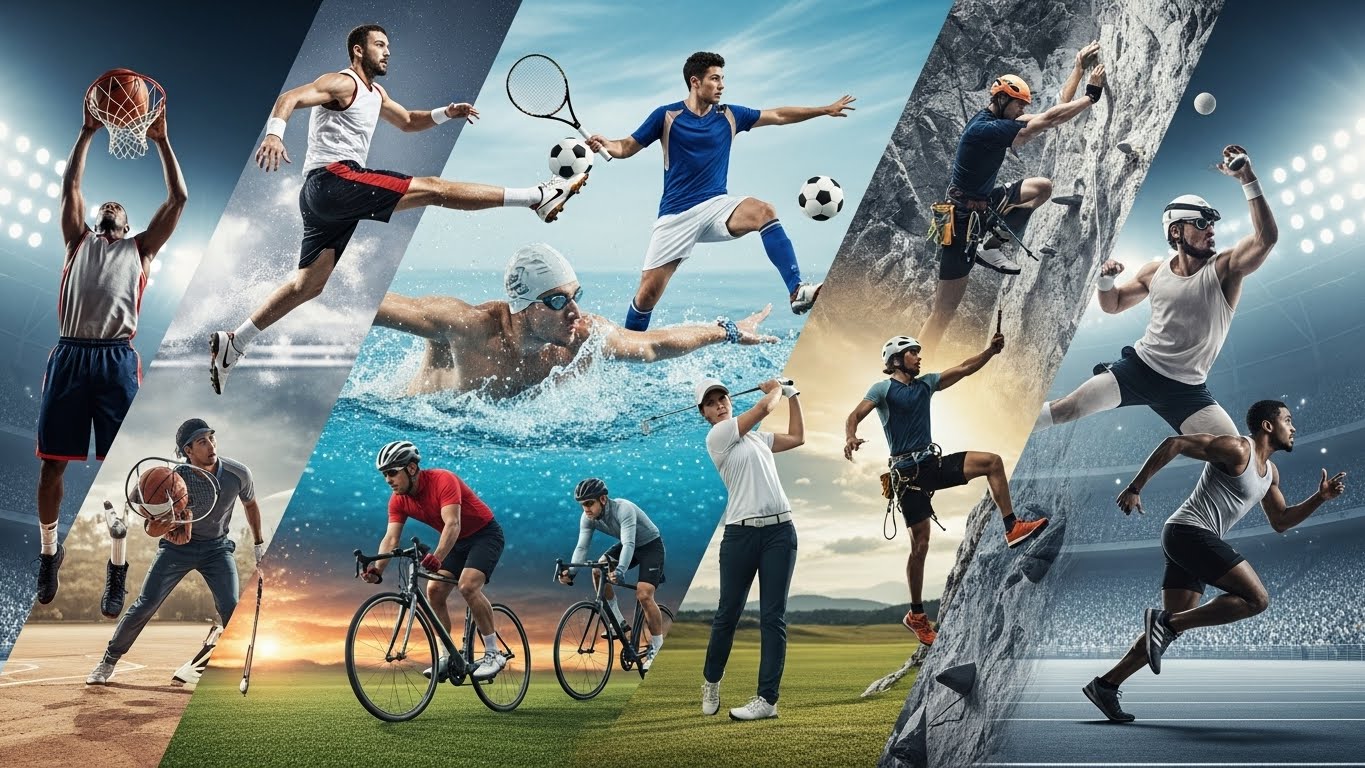
Sports, a universal language that unites people from every corner of the world, have transcended mere competition to become a cornerstone of human culture. Whether it’s the excitement of a last-minute goal, the tension of a nail-biting match, or the dedication required to push beyond personal limits, sports have a unique ability to captivate and inspire. From professional athletes striving for excellence to casual fans cheering on their favorite teams, sports have become a dynamic force that plays a significant role in shaping both personal and societal identity. This blog will explore the rich history, diversity, impact, and future of sports, while highlighting how they influence not only physical health but also emotional well-being, social interaction, and global unity.
The Historical Roots of Sports: From Ancient Rituals to Modern Day Competitions
Sports have been a part of human culture for thousands of years, with their origins dating back to ancient civilizations. The earliest forms of organized sports can be traced to the ancient Greeks, who established the first Olympic Games in 776 BCE. These early games were not just athletic competitions but also religious rituals dedicated to the gods, especially Zeus. Athletes competed in a variety of events, including foot races, wrestling, and chariot races, all of which required peak physical performance and mental discipline.
In addition to Greece, other ancient cultures also engaged in sports-like activities, such as the Mayans with their ball game pitz, or the Romans with gladiatorial combat. These events often served as a way to demonstrate strength, honor, and skill, as well as to entertain and engage the public.
As history progressed, sports began to evolve and formalize, with the Middle Ages seeing the rise of jousting tournaments, archery contests, and early forms of football in Europe. By the 19th century, the Industrial Revolution played a significant role in the rise of modern sports, as urbanization, mass communication, and technological advances made it possible for sports to become a global phenomenon.
The codification of sports during this period, such as the creation of rules for soccer, cricket, and baseball, helped to standardize competitions and allowed for international play. By the late 19th and early 20th centuries, the establishment of major sporting events like the Olympics and the FIFA World Cup set the stage for the modern sports industry we know today.
The Role of Sports in Physical Health: More Than Just a Game
While sports are often celebrated for their entertainment value, they also play a crucial role in maintaining and enhancing physical health. Regular participation in sports offers numerous benefits to the body, from improving cardiovascular health to increasing flexibility and strength. Whether it’s the intensity of a marathon or the precision of a tennis match, sports engage multiple muscle groups and promote overall fitness.
One of the key advantages of sports is their ability to encourage aerobic exercise, which is essential for heart health. Sports such as swimming, cycling, running, and football require sustained physical activity that gets the heart rate up, improving circulation and reducing the risk of chronic conditions like heart disease, obesity, and diabetes.
In addition to cardiovascular benefits, many sports promote the development of muscle strength and endurance. Weight-bearing activities, such as basketball, tennis, or even dance, are essential for building bone density and muscle mass, which can help reduce the risk of osteoporosis as people age.
Sports are also an excellent way to enhance flexibility and joint mobility. Activities like yoga, gymnastics, and martial arts emphasize body control, stretching, and coordination, which help maintain flexibility and prevent injury.
Lastly, sports provide opportunities for social interaction and community building. Playing team sports like soccer, rugby, or volleyball fosters a sense of belonging and teamwork, while individual sports like running or cycling create a personal connection with oneself and the environment. Regardless of the sport, the physical health benefits are undeniable, contributing to an overall improved quality of life.
The Mental and Emotional Benefits of Sports: Building Resilience and Confidence
Beyond the physical benefits, sports also offer significant mental and emotional rewards. The mental challenges that athletes face—whether on the field, court, or track—help build resilience, focus, and perseverance. Training for a major event or competition requires discipline and a strong mindset, often pushing athletes to their limits and beyond.
One of the most important mental benefits of sports is the development of resilience. Athletes must learn how to cope with failure, face adversity, and bounce back after setbacks. Whether it’s losing a game, suffering an injury, or facing tough competition, sports teach individuals how to handle challenges with grace and determination. This resilience can extend far beyond sports, influencing how athletes approach challenges in their personal and professional lives.
Sports also contribute significantly to boosting confidence and self-esteem. The process of setting goals, working hard, and achieving success builds a sense of accomplishment and pride. Athletes often experience a boost in their self-worth after overcoming obstacles or reaching milestones, whether it’s breaking a personal best or winning a championship. This positive reinforcement helps to foster a strong sense of self-belief, which can translate into other areas of life, including relationships and career choices.
In addition, sports are a powerful tool for stress relief. The physical exertion involved in playing a sport triggers the release of endorphins, which are natural mood enhancers. Exercise has been shown to reduce symptoms of anxiety and depression, providing a healthy outlet for emotional stress. The focus required in sports also allows players to momentarily escape from the pressures of daily life, offering mental clarity and relaxation.
The Social Impact of Sports: Uniting Communities and Fostering Inclusion
Sports have an unparalleled ability to bring people together, regardless of race, gender, age, or socio-economic background. The shared experience of supporting a team or participating in a local competition creates a sense of camaraderie and unity. In many ways, sports act as a microcosm of society, reflecting both the diversity and the common values that exist within communities.
One of the most powerful aspects of sports is their ability to bridge cultural divides. International events like the FIFA World Cup, the Olympics, and the Rugby World Cup bring together people from different parts of the world to celebrate athletic excellence and sportsmanship. These events not only showcase the talents of individual athletes but also promote cross-cultural exchange and mutual understanding.
Moreover, sports have become a platform for social change and inclusion. Athletes and organizations have used sports as a stage to advocate for racial equality, gender rights, and LGBTQ+ representation. Figures like Jackie Robinson, Billie Jean King, Muhammad Ali, and more recently, Colin Kaepernick, have leveraged their platforms to raise awareness and challenge societal norms. In doing so, they have shown that sports can be a powerful vehicle for social activism and transformation.
Sports also offer a sense of belonging and identity. Local sports teams, whether professional or amateur, often become symbols of pride for communities. The sense of unity that comes from cheering for a shared team or supporting a local athlete can create lasting bonds between people. Whether it’s the energy of a packed stadium or the quiet solidarity of a small-town team, sports have the power to make people feel connected to something greater than themselves.
The Global Impact of Sports: An Industry of Influence
Today, sports are a global industry, generating billions of dollars in revenue each year. The business of sports encompasses everything from sponsorships and endorsements to broadcasting rights and merchandising. Major sports leagues like the National Football League (NFL), the English Premier League (EPL), and the National Basketball Association (NBA) are not just sports organizations but international brands with massive global followings.
The financial side of sports has led to the development of new technologies, marketing strategies, and fan engagement techniques. The rise of digital media and streaming platforms has made sports more accessible than ever, allowing fans to watch live events from anywhere in the world. Social media has also given athletes and teams direct access to their audiences, enabling them to build personal brands and engage with fans on a deeper level.
At the same time, the commercialization of sports has raised questions about the ethical implications of money and power within the industry. Issues such as corruption, doping, and the exploitation of athletes have sparked debates about the need for greater accountability and transparency in sports. Despite these challenges, the global reach of sports continues to grow, and their influence shows no sign of waning.
The Future of Sports: Innovation and Change
Looking ahead, the future of sports is poised for exciting innovation and growth. New technologies such as virtual reality (VR), augmented reality (AR), and artificial intelligence (AI) are set to revolutionize the way people experience sports. VR and AR could transform fan engagement, allowing viewers to experience events in immersive and interactive ways. AI may change how athletes train, analyze performance, and improve their techniques.
Additionally, the rise of eSports and competitive gaming has opened up new avenues for competition and entertainment. As the digital world becomes more integrated with traditional sports, we may see hybrid events that combine physical and virtual elements, further blurring the lines between gaming and athletics.
Sports will continue to evolve, but one thing remains constant: the power they have to inspire, unite, and motivate people around the world.
Conclusion: More Than Just Games
Sports are much more than just a pastime; they are a reflection of human values, strengths, and aspirations. Whether on the playing field or in the stands, sports provide a space where individuals can challenge themselves, build relationships, and find purpose. From their rich historical roots to their modern-day global influence, sports will continue to shape cultures, foster communities, and inspire generations to come. In the world of sports, every game is an opportunity to celebrate human potential, passion, and perseverance.