
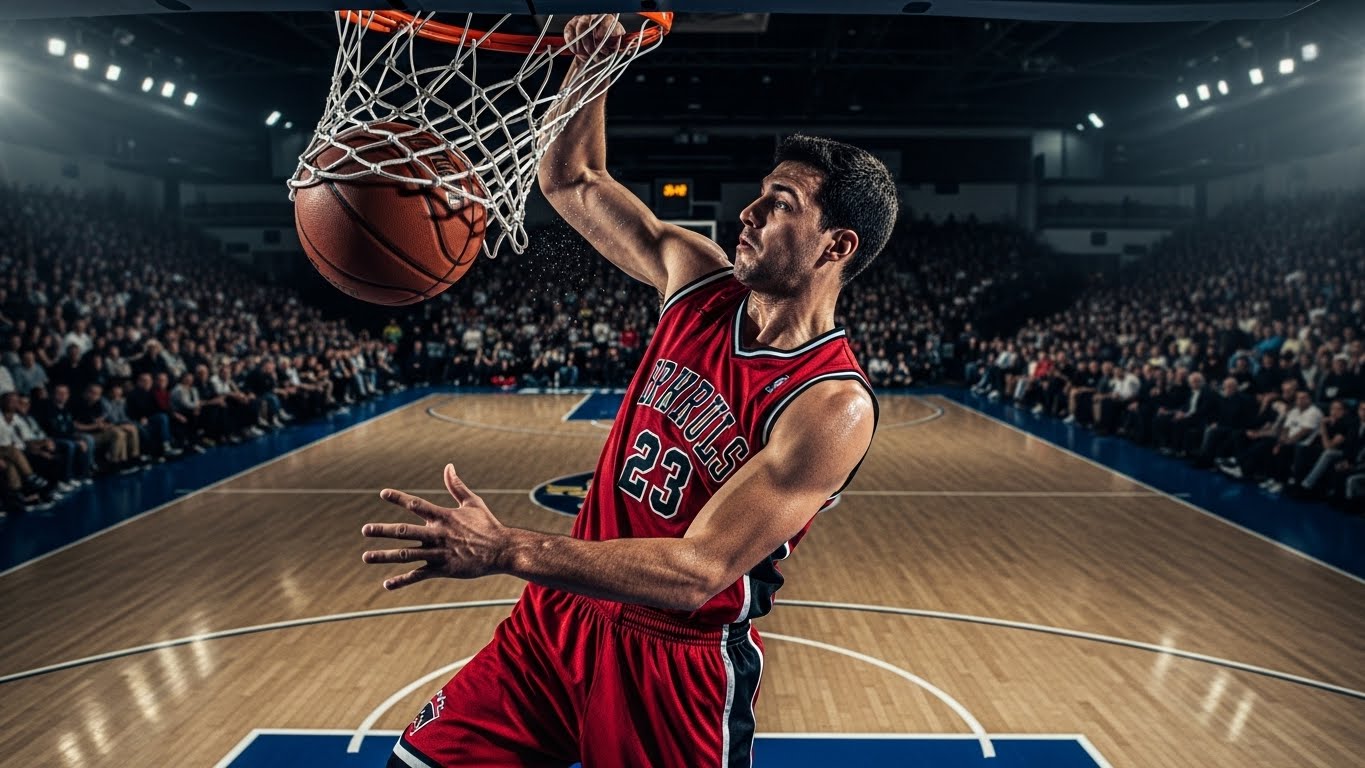
Introduction: The Power of Sport in Society
Sports have long been a fundamental part of human civilization, playing a key role not only in physical development but also in cultural, social, and emotional growth. Whether it’s the thrill of a soccer match, the intense focus of a tennis tournament, or the collaborative effort of a rugby team, sports offer a unique platform for individuals to express themselves, develop new skills, and experience the highs and lows of competition. From local community leagues to international competitions like the Olympics, the power of sport to bring people together and inspire change is unparalleled.
The Universal Appeal of Sports
One of the most remarkable aspects of sports is their universal appeal. Across the globe, people from all walks of life, regardless of age, background, or nationality, come together to celebrate athleticism. Whether in the form of watching a game, participating in a local match, or cheering for national teams, sports have a unifying power that transcends language barriers, cultural divides, and geographic distances.
Take, for instance, the global fanfare surrounding the FIFA World Cup. The tournament brings together people from every corner of the world to watch their teams compete for the ultimate prize in football. The joy of victory and the agony of defeat are shared experiences that resonate with millions of people simultaneously, creating an unmatched sense of community. This ability to unite people through a shared passion is one of the cornerstones of sports’ enduring appeal.
Sports as a Reflection of Culture
Sports are not just about competition—they are also a reflection of the values, beliefs, and traditions of a culture. In many ways, the way a society approaches sports says a lot about its priorities, whether that’s individual achievement, teamwork, or national pride.
In countries like the United States, the emphasis is often placed on individual athletic prowess, with sports like American football, basketball, and track and field highlighting personal skill and performance. In contrast, team sports like rugby in New Zealand or soccer in Argentina often place a premium on group cohesion, strategy, and collective effort. The ways in which sports are played, celebrated, and perceived vary dramatically across the world, offering a fascinating window into cultural identity.
The Physical and Mental Benefits of Playing Sports
Engaging in sports is one of the most effective ways to maintain both physical and mental well-being. On the physical side, regular participation in sports helps improve cardiovascular health, increase muscle strength, enhance flexibility, and boost overall fitness levels. The health benefits of playing sports are well-documented, with experts recommending physical activity as a crucial factor in preventing chronic illnesses such as heart disease, obesity, and diabetes.
Beyond the physical advantages, sports also provide significant mental health benefits. Regular physical activity has been linked to improved mood, reduced stress levels, and better cognitive function. Sports help combat anxiety and depression by promoting the release of endorphins, the brain’s natural feel-good chemicals. Additionally, the discipline and focus required in sports can improve mental clarity, build resilience, and foster a sense of accomplishment.
The Role of Sports in Building Character
Sports play a vital role in shaping character, especially for young athletes. Through sports, individuals learn important life skills such as discipline, leadership, perseverance, and teamwork. For many, the lessons learned on the field or court go far beyond the final score of a game. Athletes are often taught to handle setbacks, overcome adversity, and stay committed to their goals, even when the odds seem insurmountable.
Perhaps one of the most important life lessons sports impart is the concept of teamwork. Regardless of the sport—be it basketball, football, or volleyball—athletes must learn to work together towards a common goal. Effective communication, collaboration, and mutual respect are crucial elements that often mirror the dynamics of the workplace, family life, and other areas of life outside the playing field.
The Global Impact of Major Sporting Events
While sports bring people together on a local level, they also have the power to unite nations and transcend international borders. Major sporting events like the Olympic Games, the FIFA World Cup, and the Super Bowl attract billions of viewers and foster a sense of global community. These events allow nations to showcase their best athletes, celebrate their cultural heritage, and, in some cases, heal old political wounds.
The Olympics, for example, have long served as a symbol of peace and unity. The idea of “Olympic Truce”—where nations suspend conflicts to allow athletes to compete—is a testament to the potential of sports to foster international diplomacy. Even in times of geopolitical tension, sports can serve as a bridge, offering a platform for nations to come together in the spirit of friendly competition.
Sports as a Business: The Commercial Side of Athletics
As sports have grown in popularity, they have also evolved into a massive commercial enterprise. Major leagues, franchises, and individual athletes now command multi-million-dollar contracts, sponsorship deals, and lucrative endorsement opportunities. Television networks, media companies, and streaming platforms contribute billions of dollars in advertising revenue, while merchandise sales and ticket sales further fuel the sports economy.
The commercialization of sports has brought both positive and negative consequences. On the positive side, it has enabled professional athletes to earn substantial incomes, improved the quality of sports facilities, and increased global access to major sporting events. On the flip side, the money-driven nature of professional sports has sometimes led to controversies, such as player exploitation, corruption, and the prioritization of profit over the integrity of the sport itself.
Despite these challenges, there is no denying that the economic impact of sports is profound. It drives job creation, stimulates local economies, and boosts tourism in cities that host major events. The financial success of sports has also enabled the creation of grassroots programs and youth development initiatives, ensuring that future generations have access to sports regardless of their background.
The Social and Political Role of Sports
Throughout history, sports have also served as a platform for social and political change. Athletes have used their visibility to address important issues such as civil rights, gender equality, and racial injustice. Iconic moments such as Muhammad Ali’s refusal to serve in the Vietnam War, Jackie Robinson breaking the color barrier in Major League Baseball, and Colin Kaepernick’s kneeling during the national anthem have sparked important conversations about equality, justice, and activism.
Sports can challenge the status quo and provide a voice for marginalized communities. They have often been a powerful tool in pushing for societal change, giving athletes the ability to influence public opinion and bring attention to important causes. The intersection of sports and politics highlights the immense platform athletes have, and their potential to create lasting change beyond the playing field.
The Evolution of Sports: Technology and Innovation
As technology continues to advance, so too does the world of sports. From innovations in equipment design to improvements in training methods, technology has enhanced nearly every aspect of the sports industry. High-tech performance tracking devices, such as heart rate monitors, GPS trackers, and motion sensors, help athletes optimize their training and recovery processes. Data analytics, meanwhile, has revolutionized how coaches and teams assess performance and develop strategies.
The use of instant replay, VAR (Video Assistant Referee), and other technological advancements in officiating has improved the accuracy of decisions and reduced human error in competitive sports. Meanwhile, innovations in broadcasting technology have enabled fans to experience games in new ways, from virtual reality to immersive 360-degree video streams. These advancements ensure that the sports industry continues to evolve, keeping it fresh, exciting, and accessible to a global audience.
The Future of Sports: Challenges and Opportunities
As we look toward the future, sports face both exciting opportunities and significant challenges. On the one hand, the continued globalization of sports, advancements in technology, and the growth of esports promise to further enrich the sporting experience for both athletes and fans alike. New sports leagues, innovative viewing experiences, and cutting-edge performance technology will continue to reshape the landscape of competition.
On the other hand, sports must address ongoing issues such as athlete mental health, the sustainability of mega-events, and the commercialization of grassroots sports. Ensuring that sports remain accessible to people of all backgrounds and that the integrity of competition is preserved will require careful planning, ethical considerations, and a commitment to inclusivity.
Conclusion: The Enduring Legacy of Sports
Sports are far more than just games; they are a reflection of who we are as a society, how we relate to one another, and the values we hold dear. Whether it’s the camaraderie of a local soccer team, the prestige of a world championship, or the inspiration of an athlete overcoming adversity, sports have the power to unite, inspire, and transform. They are a testament to human potential and the pursuit of excellence, transcending boundaries and creating a lasting legacy for future generations.
As we continue to witness the growth and evolution of sports, one thing remains clear: the spirit of competition, camaraderie, and perseverance will continue to thrive, ensuring that sports will remain a cornerstone of human culture for centuries to come.