
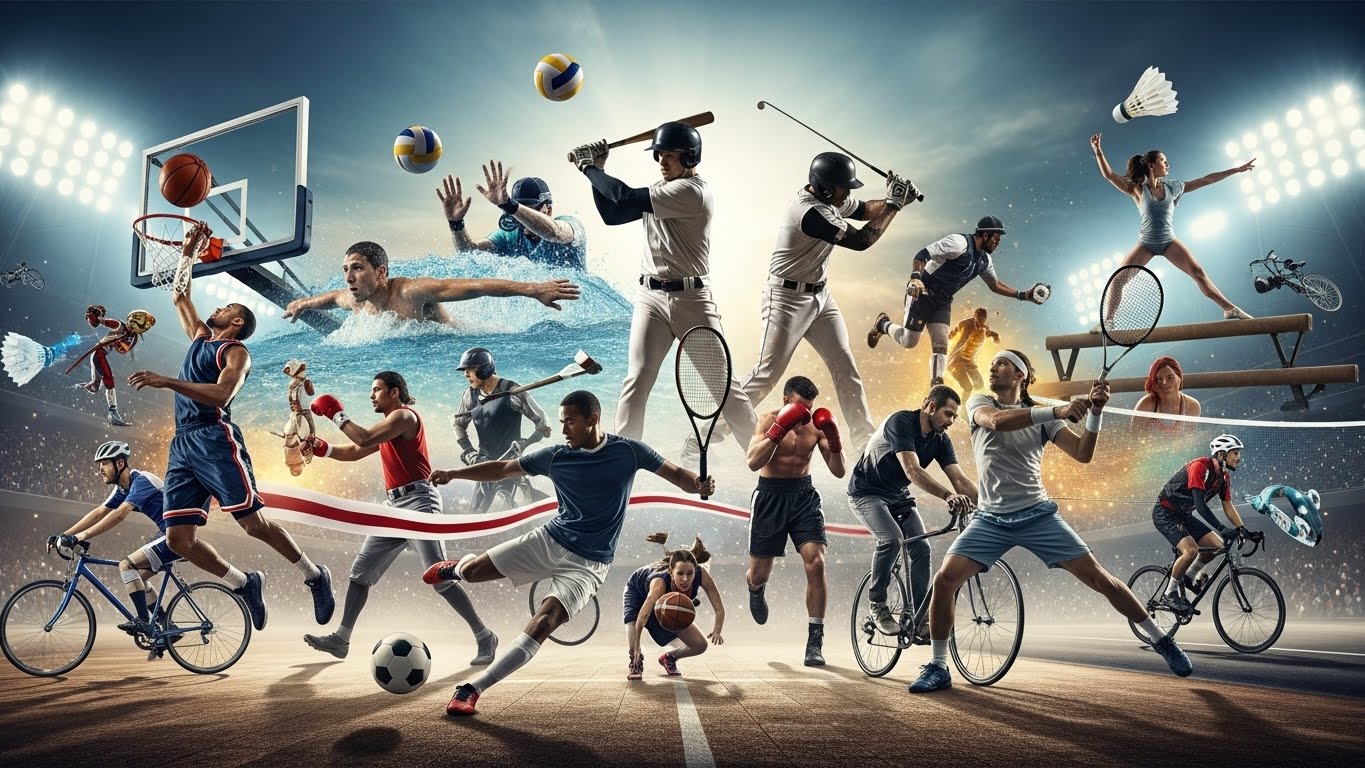
Sports have long been a cornerstone of human culture, providing more than just entertainment and physical activity. From ancient civilizations to modern-day global events, sports have shaped societies, united diverse communities, and acted as a mirror of our values and ideals. Whether it’s the spectacle of the Olympic Games or the fervor of a local soccer match, the unifying power of sports transcends boundaries, fostering camaraderie and bridging divides.
This article explores the transformative role sports play in shaping individuals, communities, and global cultures, highlighting their significance beyond just physical competition.
The Global Language of Sports
One of the most remarkable aspects of sports is their universal language. No matter where you are in the world, the concept of competition, athleticism, and teamwork remains fundamentally the same. Sports connect us across borders, languages, and cultures. A goal scored in a soccer match or a sprint to the finish line in the Olympics can evoke similar emotions and excitement in people from different corners of the world.
In a world often divided by political, religious, or cultural differences, sports offer a platform where people can come together, set aside differences, and engage in friendly rivalry. Whether it’s the electrifying atmosphere of the FIFA World Cup or the camaraderie witnessed at a local basketball game, the shared joy of victory and the mutual respect in defeat are common threads that bind humanity through the world of sports.
The Health Benefits of Sports: More Than Just Physical Fitness
While the physical benefits of sports are well-known, their impact goes far beyond just improving cardiovascular health or muscle strength. Engaging in sports can foster mental well-being, increase self-confidence, and provide a sense of achievement. Regular participation in sports has been shown to reduce stress, anxiety, and depression, contributing to a healthier and more balanced lifestyle.
For children and adolescents, sports play an essential role in developing social skills, discipline, and emotional intelligence. The teamwork and communication required in many sports can help young people learn valuable life skills, such as leadership, conflict resolution, and cooperation. These experiences can influence their development both on and off the field, making them more well-rounded individuals.
On a larger scale, sports can help combat sedentary lifestyles and prevent chronic health conditions. In an era where obesity rates are on the rise and sedentary behavior is increasingly common, the role of sports in encouraging physical activity cannot be overstated. Schools, communities, and governments all recognize the importance of promoting sports as a key pillar of public health.
Sports and Society: A Mirror of Our Values
Sports often reflect the values, aspirations, and struggles of society at large. From the celebration of hard work and perseverance to the pursuit of excellence, athletics mirror the ideals that cultures hold dear. At their best, sports showcase the power of teamwork, unity, and fair play, offering powerful lessons in determination, resilience, and sacrifice.
At the same time, sports can also reveal societal issues. Racial inequality, gender discrimination, and economic disparities have all been brought to light through the world of sports. Iconic athletes like Muhammad Ali, Jackie Robinson, Billie Jean King, and Colin Kaepernick have used their platforms to challenge injustice and advocate for change. In this sense, sports are not just a form of entertainment—they are a vehicle for social commentary and activism, reminding us that sports are often deeply intertwined with the political and cultural climate of the times.
Moreover, sports provide a shared experience that transcends class, race, and nationality. Fans of a particular team or athlete often feel a deep emotional connection, with victories and losses impacting them in profound ways. The collective identity formed around sports teams and events creates a sense of belonging and community that unites people who might otherwise have little in common.
The Economic Impact of Sports: A Multi-Billion-Dollar Industry
The global sports industry is a financial powerhouse, contributing billions of dollars to economies around the world. From the salaries of professional athletes to the billions spent on sports-related goods, media rights, and event sponsorships, sports have become a massive economic engine.
Professional leagues like the NFL, NBA, and Premier League generate enormous revenue through ticket sales, broadcasting rights, merchandise, and sponsorships. Major sporting events, such as the Super Bowl, the World Series, and the FIFA World Cup, attract millions of viewers and generate substantial income for host cities and countries. The tourism associated with sporting events brings in billions of dollars, from hotel stays to local dining and transportation services.
Sports also play a crucial role in job creation. Athletes, coaches, trainers, and administrators are just the beginning of a vast network of people whose livelihoods depend on the sports industry. From stadium construction to sports medicine, sports offer diverse career opportunities that extend far beyond just playing the game.
Local and regional sports teams also have a significant economic impact, particularly in terms of community engagement and grassroots development. By offering a sense of pride and identity to local communities, these teams foster economic activity and contribute to social cohesion. Cities that host professional sports teams often see increased economic activity due to the influx of fans, media attention, and sponsorship deals.
The Role of Sports in Education
Sports have long been a central part of education systems worldwide. Beyond the physical benefits of exercise, sports help students develop critical life skills, such as time management, discipline, and teamwork. School sports programs provide opportunities for students to participate in extracurricular activities that promote healthy lifestyles, teamwork, and leadership.
For many students, sports provide a sense of belonging and an outlet for self-expression. Whether it’s a student athlete participating in a track meet or a high school football game, sports often form a significant part of the school experience. They teach students the importance of hard work, the value of fair competition, and the significance of setting goals and achieving them.
Moreover, sports can offer students pathways to scholarships, professional careers, and international opportunities. Athletic programs at colleges and universities offer scholarships to talented athletes, giving them access to higher education they might not otherwise be able to afford. For the few who make it to professional sports, it can mean fame, fortune, and the opportunity to be role models for younger generations.
The Mental and Emotional Power of Sports
Sports are more than just physical competitions; they are deeply emotional experiences. For athletes, the journey is often marked by personal struggles, setbacks, and triumphs. The psychological impact of sports can be profound, teaching athletes how to cope with failure, stay focused under pressure, and develop a winning mindset.
For fans, the emotional highs and lows of sports are just as intense. The joy of watching a last-minute goal, the agony of a narrow defeat, and the pride of seeing one’s team succeed create deep emotional connections to the sport. This emotional bond can form lifelong attachments to teams, athletes, and sporting events.
On a broader scale, sports can also foster a sense of hope and optimism. During times of national crisis or tragedy, sporting events have the power to unite communities and provide a sense of normalcy. For example, in the aftermath of 9/11, the return of major sports leagues in the United States brought a sense of healing and solidarity to a grieving nation. Similarly, the 2016 Rio Olympics became a symbol of resilience for Brazil amid political and economic turmoil.
The Future of Sports: Trends and Innovations
The future of sports is one marked by innovation and evolving trends. Technology is revolutionizing the way we experience sports, from virtual reality fan experiences to advanced analytics that enhance gameplay. The rise of esports has also added a new dimension to the sports landscape, with millions of viewers tuning in to watch competitive video gaming tournaments.
Sustainability is also becoming an increasing focus for the sports industry. Many organizations are implementing eco-friendly practices, such as sustainable stadium designs, energy-efficient technologies, and reducing waste at major events. The global shift toward environmental consciousness is influencing sports, with fans, players, and sponsors increasingly demanding sustainability from sports organizations.
Moreover, the growing prominence of women in sports has been one of the most significant changes in recent years. Female athletes are breaking barriers in traditionally male-dominated fields, and sports leagues and organizations are making strides toward gender equality. Women’s sports are gaining more visibility, attracting larger audiences, and securing more sponsorship deals.
Conclusion
Sports are far more than just games—they are a reflection of our values, a platform for social change, and a source of inspiration for millions around the world. Whether it’s the physical benefits, the emotional connections, or the broader societal impact, sports continue to shape our world in ways that go beyond the playing field.
As we look to the future, sports will continue to evolve and adapt to the changing needs of society. From the growth of esports to the increasing focus on sustainability and inclusivity, the world of sports is poised for a new era. As fans, players, and participants, we can continue to celebrate the unifying power of sports and the joy they bring to people of all ages, backgrounds, and walks of life.