
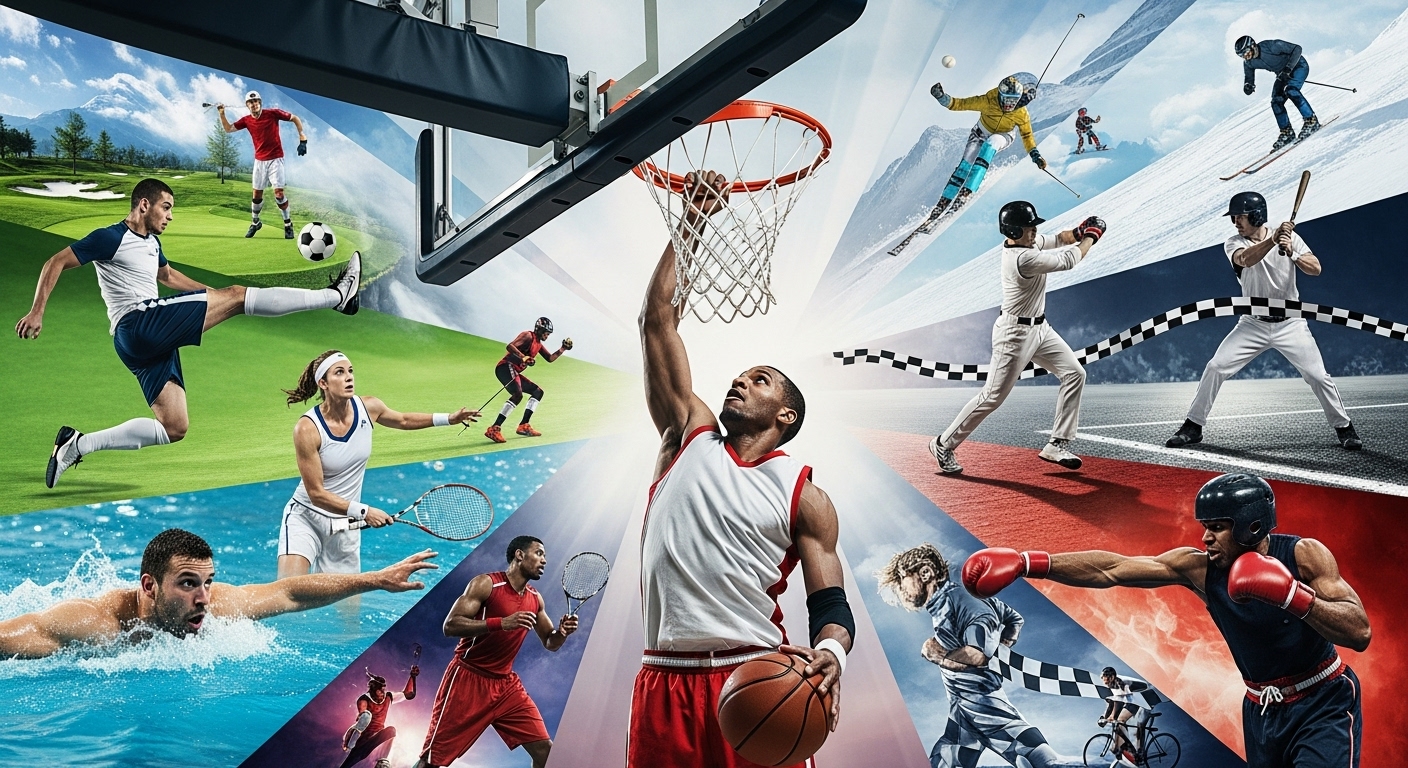
Introduction: The Universal Language of Sports
Sports are more than just physical contests; they are a reflection of human culture, ambition, and spirit. Across every continent, sports have served as a platform to express determination, resilience, and creativity. From local playgrounds to grand international arenas, they unite people, provide entertainment, and inspire greatness. Sports impact our physical and mental health, influence social dynamics, and even shape cultural identity. This article explores how sports influence our lives, why they hold such a special place in society, and the evolving landscape of modern athletic competition.
The History of Sports: From Ancient Rituals to Global Events
The history of sports traces back thousands of years. In ancient civilizations, physical competitions were often intertwined with religious rituals, military training, and community bonding. Wrestling, running, archery, and primitive ball games were practiced worldwide as a means of preparing warriors, honoring gods, or showcasing skill.
With time, organized sports began to emerge. The ancient Olympic Games in Greece introduced structured competition with rules and ceremonial traditions. Similarly, civilizations across Asia, Africa, and the Americas developed unique games reflecting local culture and society. Today, these traditions have evolved into globally recognized sports such as football, cricket, tennis, and athletics. While the tools and techniques have changed, the spirit of competition remains as strong as ever.
Why Sports Captivate Us: The Psychology of Competition
Human fascination with sports goes beyond entertainment. Psychological factors explain why people are so emotionally invested in athletic competitions.
Emotional Connection: Sports elicit strong emotions, from the euphoria of victory to the heartbreak of defeat. These emotions often mirror life’s challenges, giving fans an outlet for expression.
Sense of Belonging: Supporting a team or an athlete fosters community. Fans share experiences, celebrate together, and develop a collective identity. Wearing team colors, chanting, or attending matches builds a sense of unity and purpose.
Narratives of Triumph: Sports showcase human drama and achievement. The underdog overcoming the odds, a record-breaking performance, or a last-minute victory provides inspiration and demonstrates the potential of determination and hard work.
Stress Relief and Entertainment: For many, sports serve as a temporary escape from daily life. Watching a game or playing one allows individuals to relax, recharge, and experience joy.
Technology and Modern Sports: Changing the Game
Technology has revolutionized sports in ways unimaginable decades ago. Athletes, coaches, and fans alike experience a world enhanced by innovation.
Advanced Training Methods: Modern athletes rely on motion analysis, biometric monitoring, and virtual simulations to optimize performance. These tools improve technique, reduce injury risk, and provide real-time feedback.
Equipment Innovation: High-tech gear, from carbon-fiber bicycles to aerodynamic swimming suits, gives athletes a competitive edge while emphasizing safety and precision.
Officiating and Fair Play: Video-assisted refereeing, goal-line technology, and instant replay systems ensure fairness and accuracy, even though these innovations often spark debate among fans.
Enhanced Fan Experience: Digital platforms allow fans to follow sports in real-time from anywhere in the world. Interactive apps, live stats, and immersive broadcasts bring audiences closer to the action than ever before.
The Economic Impact of Sports
Sports are also a major driver of the global economy. Professional leagues, international tournaments, and sporting events generate billions of dollars annually.
Revenue Streams: Ticket sales, merchandise, sponsorships, and broadcasting rights contribute to a complex economic ecosystem. Star athletes often become global influencers, expanding the commercial reach of sports brands.
Youth Development and Academies: Investment in youth programs ensures the cultivation of future talent. These programs provide training, education, and mentorship, fostering not just athletic ability but life skills.
Global Audience and Cultural Exchange: Sports have a unique ability to cross cultural barriers. International events like the Olympics or World Cup bring fans together, creating shared experiences and promoting cross-cultural understanding.
Sports and Health: Physical and Mental Benefits
Participation in sports is one of the most effective ways to maintain physical fitness and mental well-being.
Physical Benefits: Regular activity strengthens the cardiovascular system, builds muscle, improves coordination, and enhances flexibility. Team or individual sports help maintain a healthy weight and reduce risks of chronic illnesses.
Mental Benefits: Sports enhance cognitive function, reduce stress, improve focus, and boost self-confidence. They teach patience, resilience, and the ability to manage pressure.
Community Health: Local sports programs encourage people of all ages to stay active, fostering healthier, more connected communities.
Women in Sports: Breaking Stereotypes and Leading Change
Over the past decades, women’s participation in sports has dramatically increased. Female athletes continue to challenge traditional norms and redefine excellence.
Increased Visibility: Women’s leagues, international tournaments, and media coverage have improved recognition and inspired future generations.
Role Models: Women athletes demonstrate that skill, dedication, and leadership are not gender-specific. They motivate young girls to pursue sports with confidence and ambition.
Cultural Significance: Female sports success contributes to broader social movements, promoting gender equality and empowering women in multiple fields.
Team Sports: Unity, Strategy, and Collaboration
Team sports, such as football, basketball, cricket, and hockey, exemplify collaboration, strategy, and collective effort.
Teamwork: Success depends on communication, trust, and cooperation. Players must work together, often subordinating personal glory for the team’s success.
Leadership: Captains and coaches guide strategies, boost morale, and make crucial decisions during high-pressure moments.
Community Identity: Teams often represent cities, schools, or nations. Their victories and struggles create shared experiences, strengthening local or national pride.
Individual Sports: Personal Excellence and Mental Strength
Individual sports such as tennis, swimming, athletics, and gymnastics emphasize personal mastery, discipline, and resilience.
Accountability: Athletes are solely responsible for their performance, teaching personal responsibility and perseverance.
Mental Toughness: The pressure in individual competition requires intense focus, self-confidence, and emotional control.
Continuous Growth: Individual sports push athletes to constantly improve technique, endurance, and mental resilience, fostering lifelong growth and self-improvement.
Sportsmanship: The Foundation of True Competition
At its core, sports are about more than winning—they are about integrity, respect, and fairness.
Respect for Opponents: Competition is only meaningful when all participants perform with honesty and commitment.
Grace in Victory and Defeat: True champions celebrate wins humbly and accept losses gracefully, setting examples for others.
Moral Lessons: Sportsmanship teaches values like empathy, humility, and ethical conduct, extending lessons from the playing field into everyday life.
The Future of Sports: Trends and Possibilities
The future of sports promises exciting evolution, fueled by technology, sustainability, and new forms of competition.
Artificial Intelligence and Analytics: AI will increasingly assist in training, strategy, and performance analysis, helping athletes achieve peak performance.
E-Sports: Competitive gaming has emerged as a major branch of sports, attracting global audiences and professional talent.
Sustainability Initiatives: Sports organizations are adopting eco-friendly practices, from stadium construction to event management, reducing environmental impact.
Global Connectivity: Technology and international competitions will continue to bring fans closer to the action, fostering a more interconnected sporting world.
Conclusion: Sports as a Mirror of Human Spirit
Sports are a reflection of the human drive to challenge, achieve, and connect. They teach lessons in discipline, resilience, teamwork, and integrity. They inspire, entertain, and bring people together across cultures, age groups, and backgrounds. From the local playground to the world’s largest arenas, sports are not just games—they are expressions of human potential. They remind us that through dedication, passion, and collaboration, extraordinary achievements are possible.
In every victory celebrated, every record broken, and every moment of fair play, sports reveal the enduring essence of humanity: striving for excellence, learning from failure, and embracing the joy of shared experience.