
Introduction: The Timeless Power of Sports
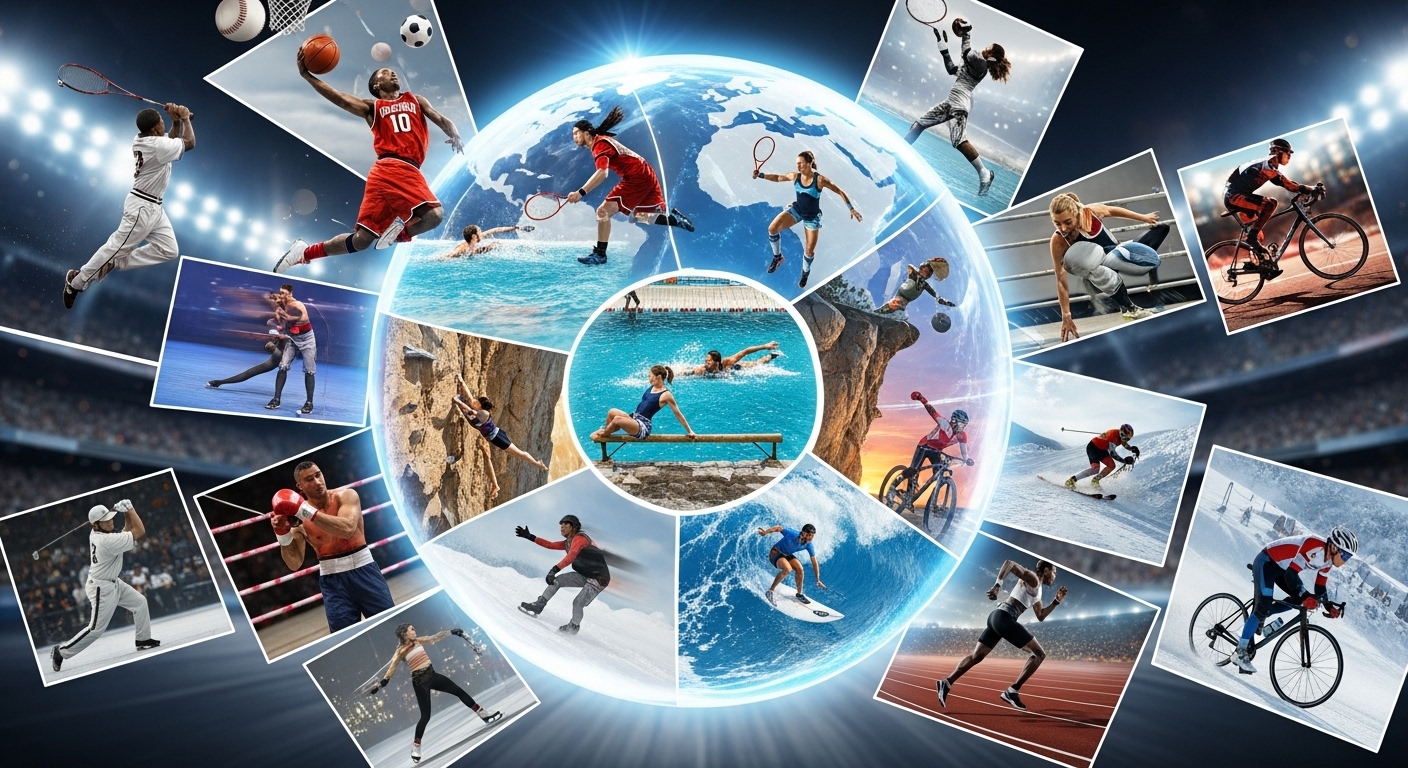
Sports are one of humanity’s oldest and most universal languages. Whether it’s a child kicking a ball on a dusty field or a professional athlete breaking records in a packed stadium, the essence of sports remains the same — competition, passion, teamwork, and the pursuit of excellence. From ancient Olympic games in Greece to modern global tournaments that captivate billions, sports have always represented more than just physical activity. They symbolize determination, discipline, and the power of human spirit.
In today’s rapidly changing world, sports have evolved into a multi-dimensional phenomenon that extends far beyond athletic performance. It has become a global industry, a source of inspiration, and a unifying force that bridges cultural and social divides. As technology, media, and social awareness continue to transform our societies, sports have adapted to reflect these changes — creating new opportunities, challenges, and experiences for athletes and fans alike.
This blog explores the evolution of sports, their growing influence on society, and the innovations shaping their future.
The Ancient Roots of Sports: Where It All Began
Sports have existed since the dawn of civilization. Ancient Egyptians had wrestling and archery, Greeks celebrated physical excellence in the Olympics, and Romans entertained thousands in colossal arenas with competitive spectacles. These early forms of sport were not just about entertainment; they were deeply connected to religion, culture, and community identity.
For example, in ancient Greece, athleticism was associated with honor, virtue, and even spirituality. The Olympic Games were seen as offerings to the gods, where athletes demonstrated their devotion through physical excellence. Similarly, sports in ancient China, Africa, and Mesoamerica served as vital rituals that reflected the values and unity of their societies.
From these early roots, sports began to evolve into organized competitions, spreading through trade, colonization, and cultural exchange. Over centuries, games like football, cricket, and hockey emerged as international phenomena, laying the foundation for the global sports culture we know today.
Sports as a Global Language
One of the most fascinating aspects of sports is its ability to unite people across borders, languages, and cultures. No matter where you come from, the excitement of a goal, the tension of a final match, or the triumph of a victory is universally understood. Sports serve as a bridge between nations and communities, breaking down barriers that politics and language often cannot.
Major international events like the Olympics and the FIFA World Cup highlight this sense of unity. During these tournaments, billions of people from every corner of the globe come together to celebrate athletic excellence and national pride. These events foster friendship, peace, and mutual respect among diverse cultures.
Sports diplomacy has even played a role in easing political tensions. Matches between rival nations have at times opened paths to dialogue and understanding. Beyond politics, the shared passion for sports reminds us of our common humanity — that beneath our differences, we all cheer, hope, and dream alike.
The Psychological Impact of Sports
Sports are not only physical; they are profoundly psychological. Participating in sports fosters discipline, resilience, and teamwork. Athletes learn how to handle success with humility and failure with strength. The emotional highs and lows of sports mirror life itself, teaching valuable lessons that extend beyond the field or court.
For spectators, sports provide a powerful emotional outlet. Watching one’s favorite team win or lose can evoke feelings of joy, pride, heartbreak, and connection. Sports can lift communities during difficult times and inspire hope in individuals. The collective energy of fans cheering together creates a sense of belonging and shared identity.
Additionally, sports have been increasingly recognized for their role in mental health. Physical activity releases endorphins, reduces stress, and improves mood. Many programs around the world now promote sports as a tool for therapy and emotional healing, especially for children and those facing mental health challenges.
The Business of Sports: A Billion-Dollar Industry
Modern sports have grown into one of the largest industries in the world. From broadcasting rights and sponsorships to merchandise and ticket sales, sports generate billions in revenue annually. Major sporting leagues such as the NBA, NFL, and Premier League are not just competitions; they are global brands that influence fashion, marketing, and even politics.
Athletes have become celebrities and influencers, shaping culture through their style, endorsements, and social media presence. The rise of digital platforms has given fans unprecedented access to players, allowing for personal connections that were unimaginable a few decades ago.
Furthermore, the economic impact of sports extends beyond entertainment. Cities that host major events often experience a surge in tourism, infrastructure development, and job creation. However, this commercialization also brings challenges, such as the pressure on athletes to perform and ethical debates around money and fairness in sports.
The Role of Technology in Sports Evolution
Technology has completely transformed how sports are played, watched, and experienced. From performance tracking to instant replay, innovations have enhanced both accuracy and entertainment value.
Athletes now train with the help of wearable sensors that monitor speed, strength, and fatigue, allowing coaches to fine-tune performance. Video analysis helps teams study their opponents, while advanced rehabilitation equipment aids in faster recovery from injuries.
For fans, technology has revolutionized sports viewing. High-definition broadcasts, virtual reality experiences, and interactive graphics make games more engaging than ever. The use of data analytics has also changed the way teams are managed and strategies are developed.
Even refereeing has become more precise, with tools like goal-line technology and video assistant referees helping to ensure fairness. While some argue that technology takes away from the human element of sports, there’s no denying that it has made competitions more efficient and transparent.
Women in Sports: Breaking Barriers and Shaping the Future
For centuries, sports were dominated by men, with women facing discrimination and exclusion. However, the modern era has witnessed a dramatic shift. Women athletes are now breaking barriers, achieving recognition, and redefining gender roles in sports.
Events such as the Women’s World Cup and the rise of female athletes in tennis, athletics, and basketball have inspired millions. Figures like Serena Williams, Megan Rapinoe, and Simone Biles are not just champions in their respective fields — they are symbols of empowerment and equality.
The inclusion of women’s sports in global tournaments and the growing investment in female leagues are paving the way for future generations. Despite ongoing challenges such as unequal pay and limited media coverage, the progress made so far is undeniable. Women’s sports are gaining more visibility and respect, proving that athletic talent knows no gender.
The Rise of Esports: The Digital Arena
The 21st century has brought a new kind of sports revolution — esports. Competitive video gaming, once seen as a niche hobby, has grown into a global phenomenon attracting millions of players and viewers.
Esports tournaments fill stadiums, and professional gamers earn sponsorships and salaries rivaling traditional athletes. Games like Dota 2, League of Legends, and Counter-Strike have massive fan bases, and esports is now recognized as an official sport in several countries.
The rise of esports signifies the blending of technology, entertainment, and competition. It appeals to a younger generation that grew up in the digital world, proving that sports are not confined to physical arenas. The mental agility, teamwork, and strategy required in esports mirror the skills valued in traditional sports.
The Social Responsibility of Sports
Beyond competition and entertainment, sports carry a profound social responsibility. Athletes and organizations have the power to influence change and raise awareness about important issues.
From campaigns promoting racial equality and gender inclusion to initiatives supporting environmental sustainability, sports have become a platform for social good. Famous athletes often use their fame to advocate for causes they believe in, inspiring millions to take action.
Sports also play a crucial role in community development. Grassroots programs encourage children to participate in sports, teaching them discipline, teamwork, and respect. For many underprivileged youths, sports can serve as a path to education, empowerment, and opportunity.
The Future of Sports: Innovation and Inclusivity
Looking ahead, the future of sports promises even greater innovation and inclusivity. Virtual and augmented reality will redefine how fans experience games, making them feel as though they are part of the action. Artificial intelligence will further enhance training methods, while data-driven analytics will revolutionize strategy and scouting.
Sustainability will also become a major focus, with eco-friendly stadiums, renewable energy use, and reduced carbon footprints becoming priorities for sports organizations. Inclusivity will continue to expand, ensuring that people of all genders, abilities, and backgrounds have equal opportunities to participate.
Esports and hybrid forms of digital-physical sports will likely continue to grow, appealing to diverse audiences and reflecting the technological nature of the modern world.
Conclusion: The Endless Spirit of Sports
Sports are more than games — they are reflections of our humanity. They teach us resilience in defeat, humility in victory, and the value of teamwork and respect. From ancient times to today’s digital age, sports have evolved with society while maintaining their timeless essence: the drive to push limits and the joy of shared experience.
As technology advances and global connections strengthen, sports will continue to inspire new generations. They remind us that no matter where we come from, what language we speak, or what challenges we face, the spirit of competition and the pursuit of excellence unite us all.